Keeping Your Heat Lamps Alive in a Damp Coop
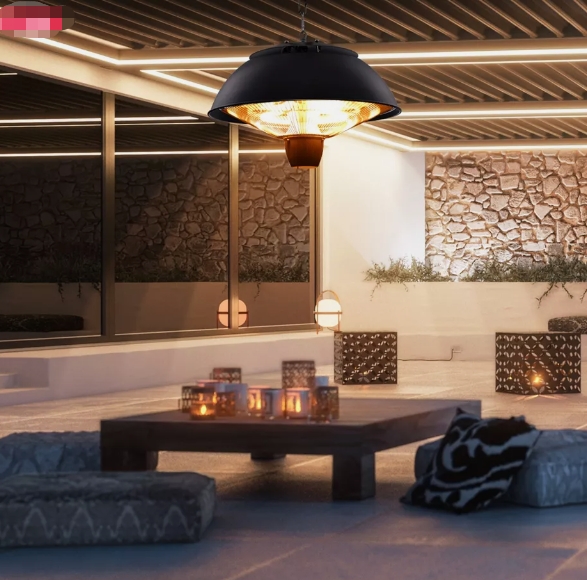
Let’s be honest: chicken coops are absolute murder on heating elements. You’ve got ammonia fumes, floating dander, and that constant, clinging moisture from the waterers. If you’re using standard infrared lamps, you know the drill—they just burn out. It’s frustrating. We got tired of seeing those units fail, so we built our waterproof infrared heaters to tackle the two things that usually kill them: condensation and splashes. The battle against fog and leaks Here’s the thing about closed coops: the temperature swings are wild. That leads to rapid condensation. When a cold water droplet hits a scorching hot quartz tube? Crack. Thermal shock. To stop that, we used a sealed housing. It keeps the electrical contacts tucked away from the humidity so the unit doesn’t “fog up” and fail. Then there are the splashes. We’ve all seen it—a bit of water hits a live terminal and you get an immediate arc. Not great. We added a splash-proof shroud and sealed gaskets to keep the wiring dry while letting the heat beam straight down. Now, you can’t drop this thing in a bucket of water, but it’ll survive the messy reality of a working coop way better than those cheap, open-air bulbs. A quick heads-up on the housing There is a trade-off. When you wrap a heater in a protective shield, the heat profile shifts. If you run these at 100% power, 24/7, some heat can get trapped around the socket. Just make sure your coop has some basic airflow. A little ventilation goes a long way in keeping the housing itself from getting too hot. How it actually works in the field Since we switched to this protected design, we’ve seen a massive drop in how often people have to replace their lamps. You aren’t waking up to a cold coop just because a water nipple leaked or the morning was extra humid. You just wire it up, mount it high (so the birds don’t get curious), and let the heat soak into the bedding. It’s a simple fix for a messy job.