Stop losing money just because it’s cold outside
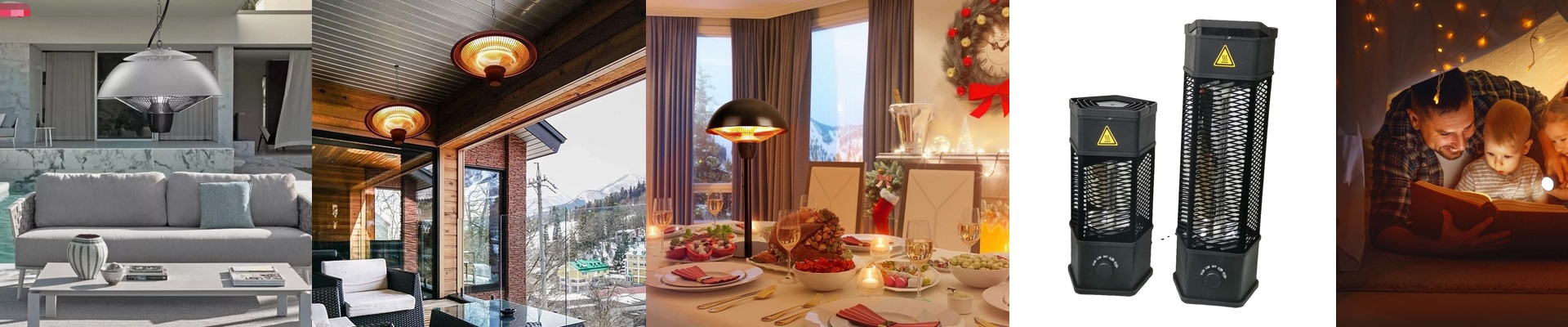
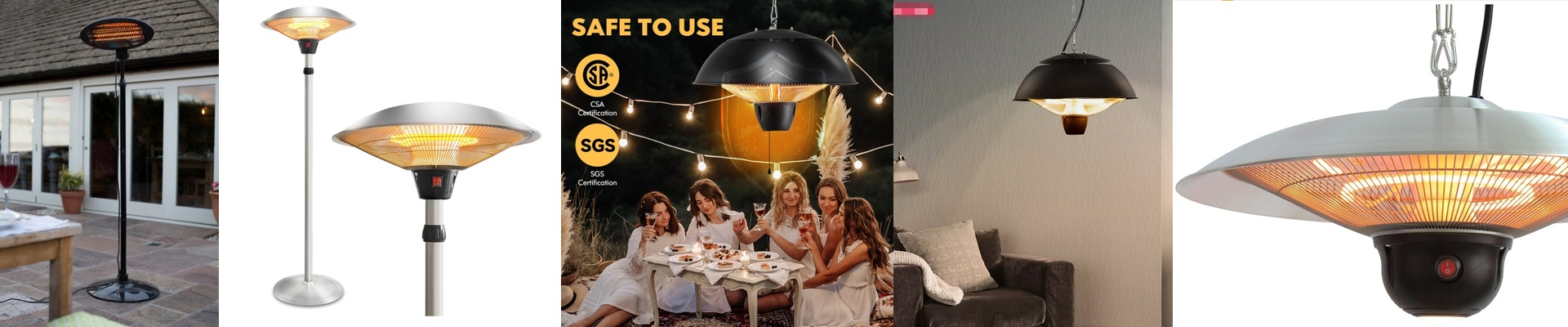
It sucks watching your outdoor seating go empty the second the temperature dips. Most restaurant owners try those standard space heaters, but they’re pretty much useless the moment a breeze kicks up. Why? Because they try to heat the air. And in an open patio, the wind just carries that heat away before your guests even feel it. That’s where shortwave infrared comes in. Instead of fighting the wind, these heaters act more like the sun. They send heat directly to your guests and their furniture. It doesn’t matter if it’s gusty or freezing—the heat actually hits them.
The gear you actually need
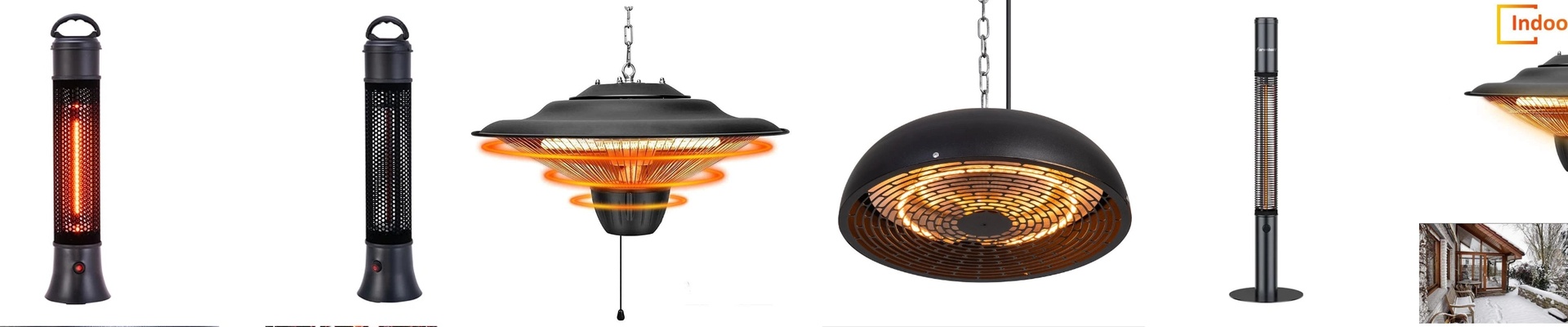
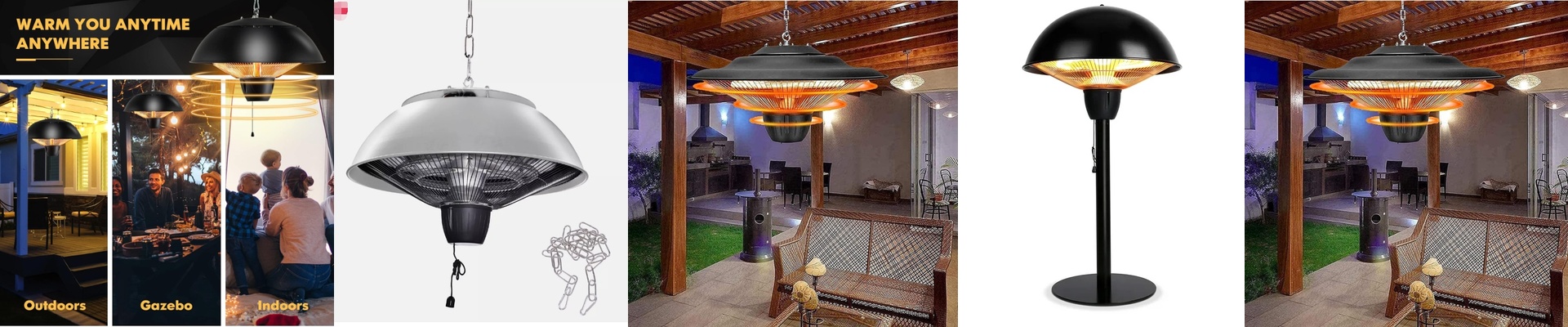
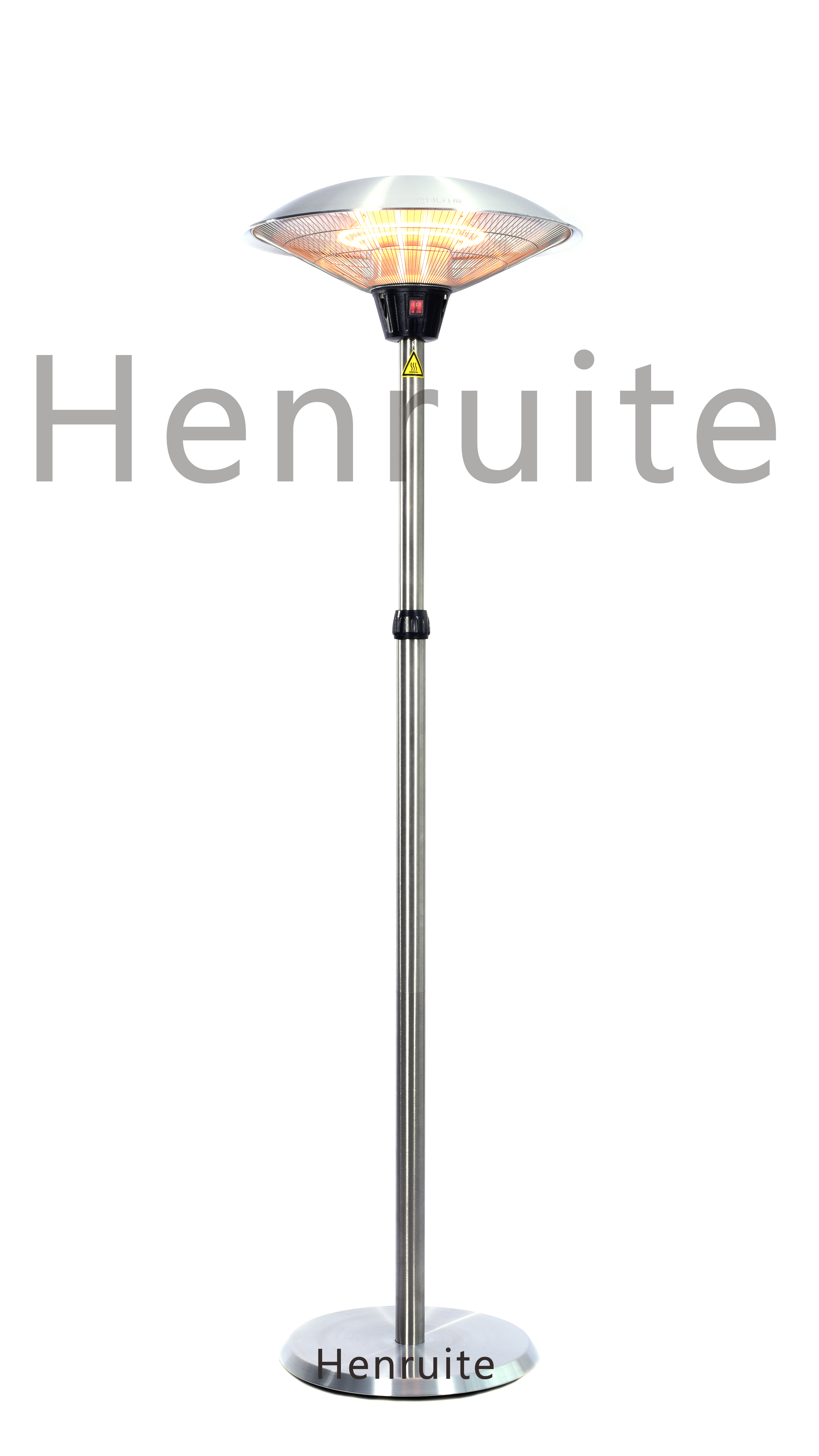
If you’re putting these outside, you can’t just use any lamp. You need IP65-rated waterproof housings. Basically, this means rain and snow can’t get inside and fry your electronics. You’ll want units in the 1500W to 4000W range to keep things cozy in an open space. A quick tip on setup: mount them about 2.5 to 3 meters up. If they’re too low, the person sitting right under the lamp feels like they’re melting, while everyone else is shivering. Higher up gives you a nice, even glow.
Why “Shortwave” matters
We use quartz tubes with a special coating that changes how the heat works. Shortwave IR is fast. Like,**instant.**There’s no waiting around for the unit to “warm up.” You flip a switch, and it’s hot. Plus, the heat is directional. You can point it exactly where the tables are. You aren’t wasting electricity heating an empty sidewalk or a patch of grass; you’re only heating the people paying you for dinner.
The bottom line (and a warning)
When your guests are warm, they linger. They order another round of drinks. They stay for dessert. Your terrace stops being a “seasonal” thing and starts making money all year. But here is the catch: these things pull a lot of power. If you just plug a bunch of these into one old circuit, you’re going to trip your breakers. To avoid a total blackout mid-service, we always suggest dedicated circuits for each heating zone. Don’t cut corners on the wiring. If the voltage drops, your heat output tanks, and you’ll end up burning through your tubes way faster than you should. Get the wiring right, and you’re set.