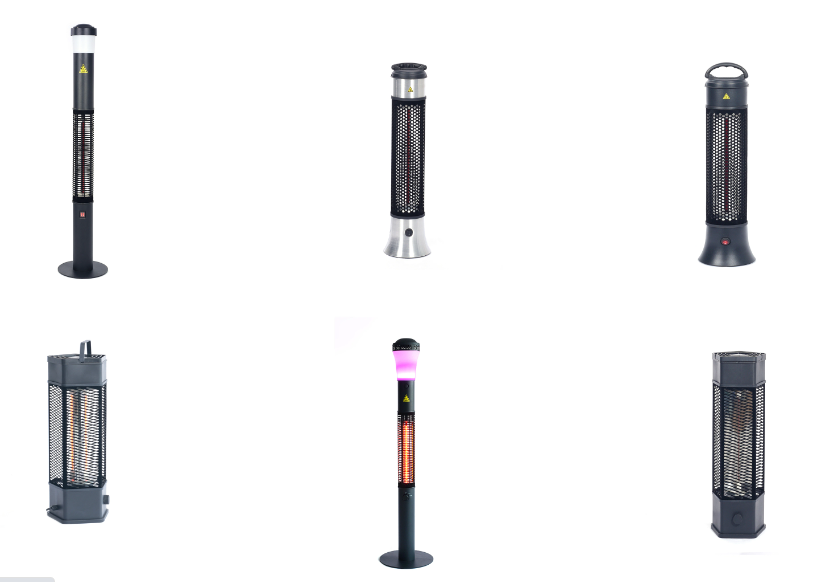
Why Outdoor Infrared Heaters Keep Breaking (And How We Fixed It)
If you’ve ever worked with outdoor heaters, you know the drill. They work great for a while, and then—bam—they fail right at the connection point. When you’re building something for an IP66 environment, most people just worry about keeping the rain out. But that’s only half the battle. The real killer is “heat soak.” That’s when the heat from the element crawls backward into the wiring, cooking everything in its path. Here is what’s actually happening. In most standard heaters, the seal between the quartz tube and the wire is the weak link. These infrared elements get incredibly hot, creating a massive temperature swing. If the sealant isn’t built for that kind of stress, it shrinks. Then it cracks. Once that seal gives way, moisture sneaks into the housing. It turns the insulation into carbon, triggers a short circuit, and your heater is toast. We stopped this by changing how we pot the wires. We use specialized high-Tg silicone and ceramic sealants. Basically, it means the bond stays tight and doesn’t peel away from the wire, even when the metal is expanding and contracting. The difference between “cheap” and “done right” A lot of factories just throw some generic heat-shrink or low-temp glue on there and call it a day. Those might last a few hundred cycles, but they can’t handle the long haul. We do things a bit differently. We use a three-step approach: First, we mechanically crimp everything so vibrations don’t shake the wires loose. Then, we use a high-temp potting compound to lock out moisture. Finally, we wrap it in IP66-rated shielding. This kills the “wicking” effect—that annoying thing where water literally travels inside the wire insulation, sneaking right past your seals. The tricky part: Let it breathe Now, here’s the catch. You can’t just seal a heater airtight. If you lock everything in too tight, the pressure builds up inside the housing as it heats up. That pressure can actually push against the quartz-to-metal seal and break it. It’s a balancing act. You need it waterproof, but you also need it to breathe. Our trick? We pair these heaters with a dedicated drainage path. It keeps the water out but ensures any condensation doesn’t just pool around the wires and wait for a chance to cause trouble.