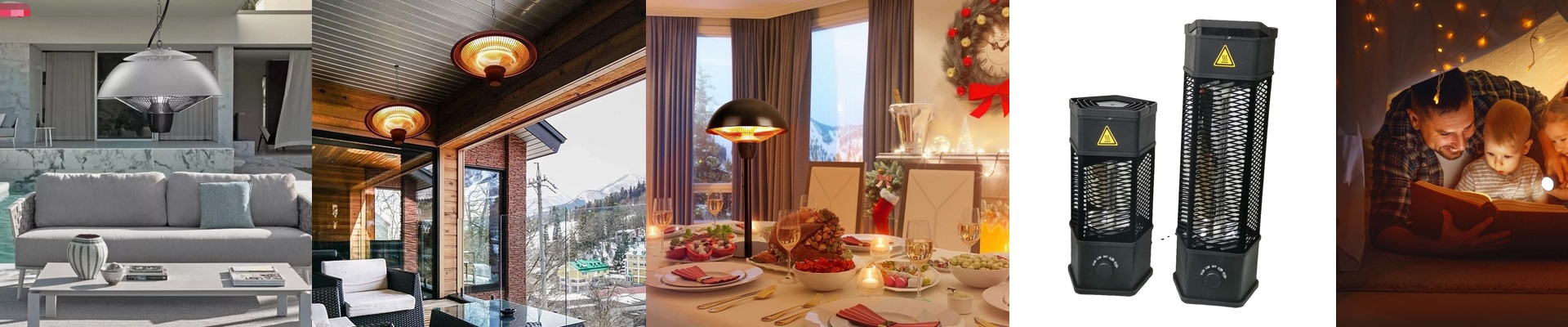
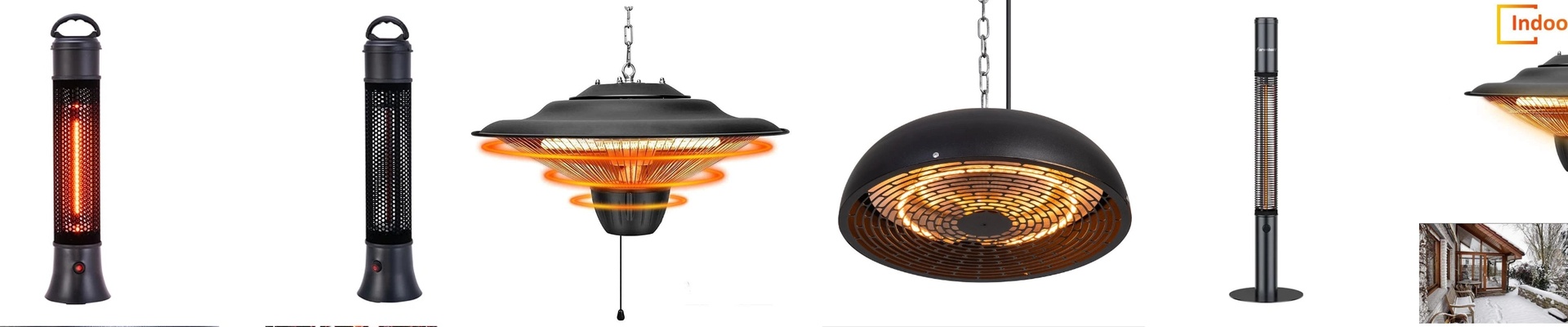
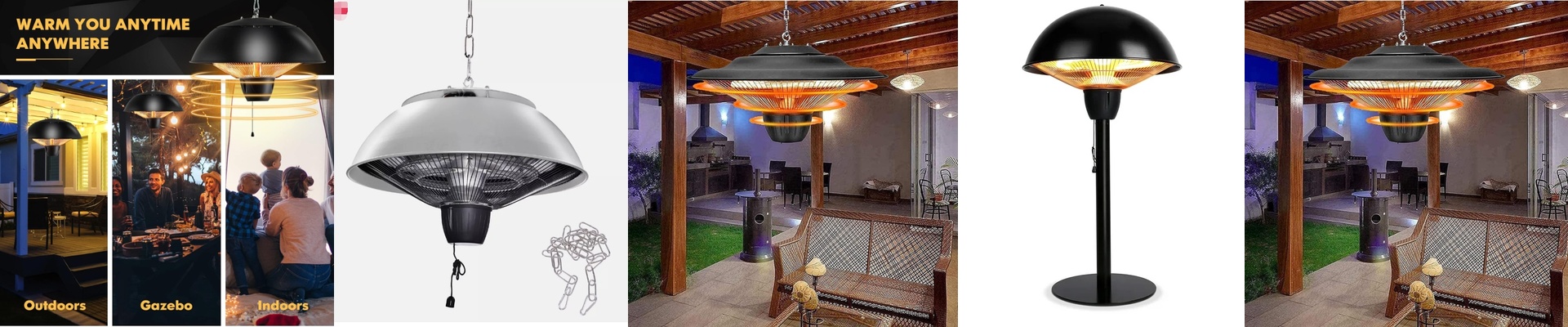
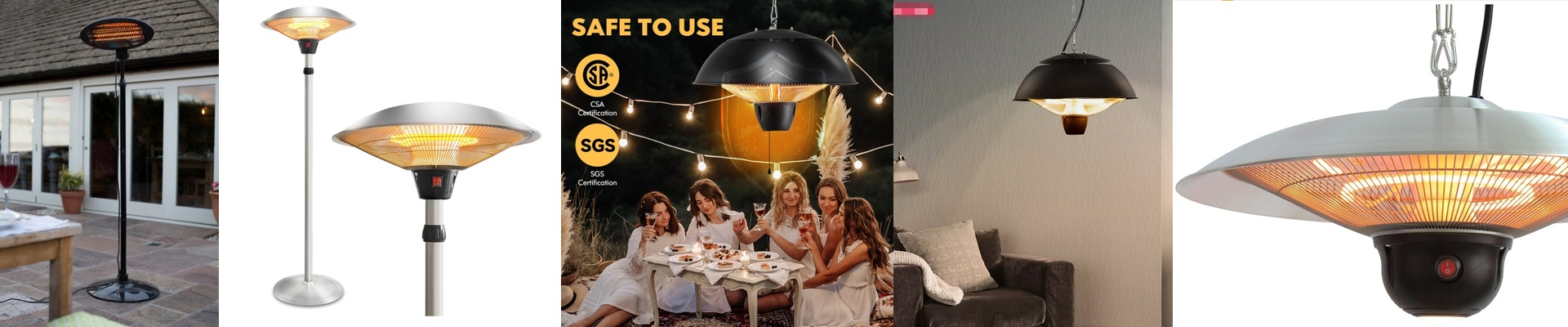
Why Your Bathroom Heater Actually Needs to Be Waterproof
Let’s be honest: those old-school bathroom heat lamps are kind of a gamble. Most of them just use basic quartz tubes with almost zero protection. They work for a while, but bathrooms are brutal. Between the steam and the splashes, it’s a recipe for disaster. When moisture sneaks into a non-sealed electrical box, you get corrosion. Then you get short circuits. It’s not a matter of if, but when. The real struggle with steam Here is the thing about waterproofing. It isn’t just about stopping a stray drop of water from causing a spark. It’s about the hardware surviving. Cheap heaters fail because moisture gets inside the casing. High-IP rated units use gaskets and special coatings to lock the water out. This saves the filaments from “thermal shock”—that nasty moment when a cold drop of condensation hits a red-hot tube and pops it. Plus, these use shortwave infrared. Instead of trying to heat up all the air in the room (which is a waste of time if you have high ceilings), the heat goes straight to your skin. You feel it instantly. No more shivering while you wait for the room to warm up. A quick heads-up on the trade-offs Nothing is perfect. Since these units are sealed tight to keep the water out, the internal electronics don’t have as much room to breathe. They can run a bit hotter. If you’re installing one, just make sure there’s a bit of breathing room in your ceiling. If it’s too cramped, the thermal cutout might trip during a long shower, and your heat will just shut off. Getting it installed The good news? These are basically drop-in replacements for those old lamps. We’ve made the wiring straightforward so you can get a tight seal at the junction box without fighting with it. As long as your breaker can handle the wattage, you’re golden. You end up with a setup that actually handles the humidity without you having to worry about the electricals every time you take a hot shower.