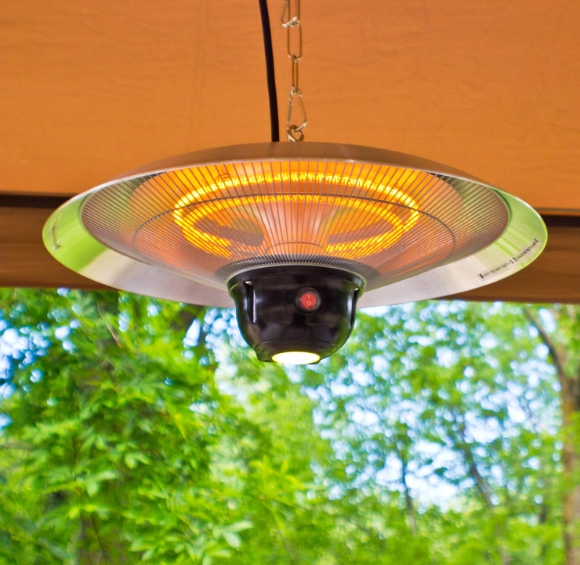
Making 1500W Ceiling Heaters Actually Last
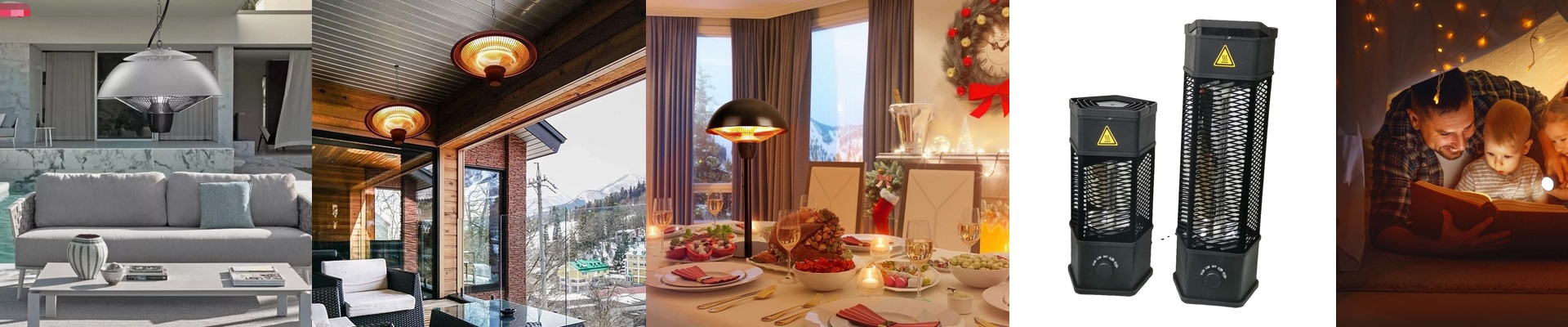
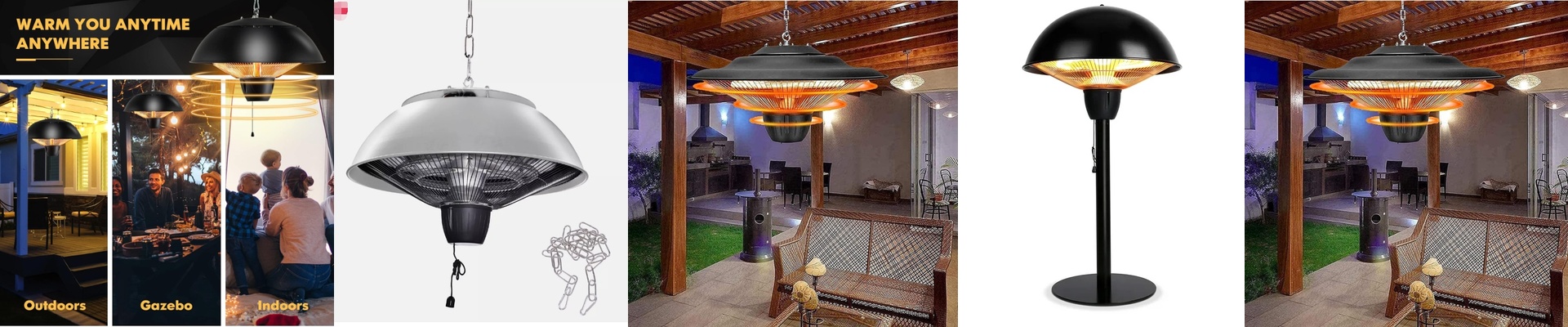
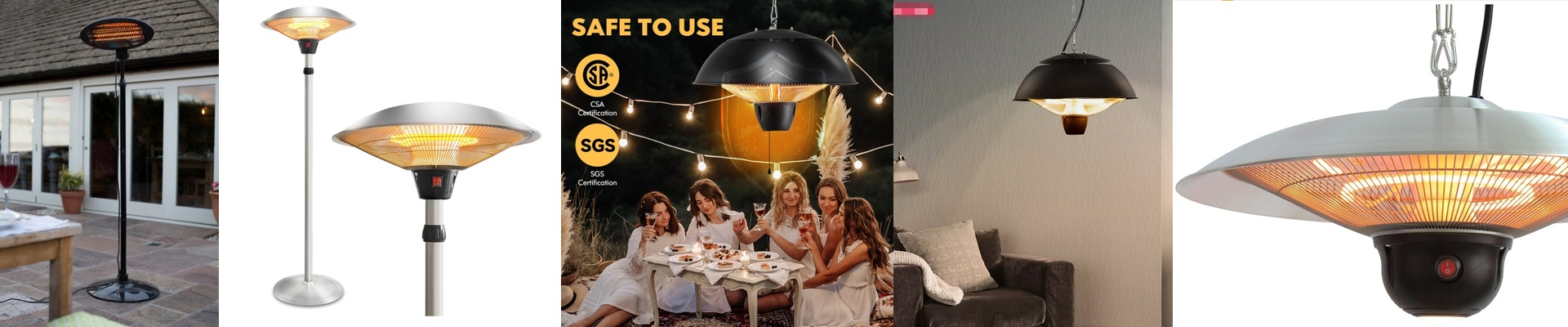
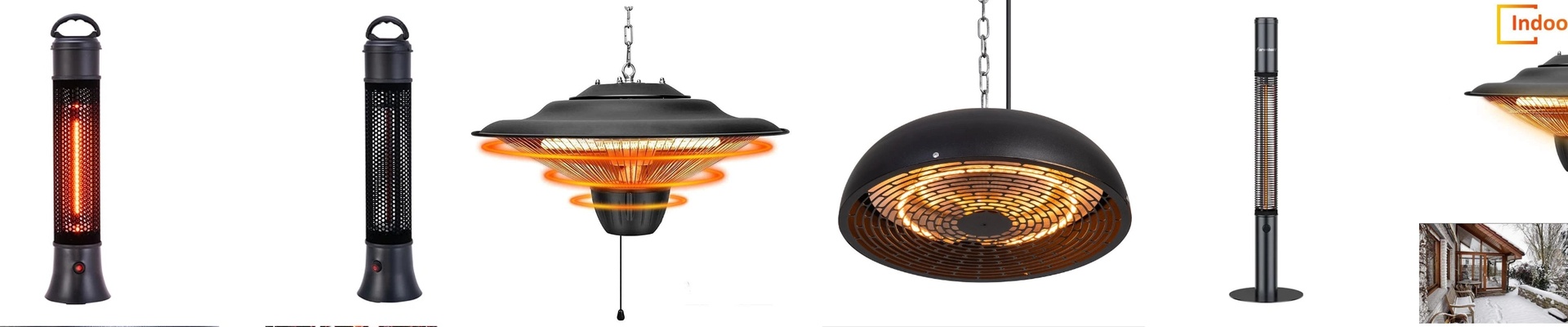
Putting a 1500W infrared heater in a gazebo or a bathroom is a bit like throwing a piece of tech into a war zone. It’s a high-stress spot. We stick with shortwave infrared because it’s just smarter. It heats you and your furniture directly. If you try to heat the air in an open-air gazebo, you’re basically just paying to warm up the neighborhood. It’s a waste. The Power Side of Things 1500W gives you that punchy heat you need to fight off a cold breeze. But here’s the thing: you can’t just plug this into any old wire. If your wiring is too thin, you’ll get a voltage drop. That means the heating element never actually hits the temperature it’s supposed to. You’ll be sitting there wondering why you’re still shivering even though the power is on.Get the right gauge wiring.It makes all the difference. Fighting the Damp The heat is the easy part. The moisture? That’s where things get messy. We put our heaters through some pretty brutal “damp-heat” tests. We basically torture them with extreme humidity and wild temperature swings just to see where the seals give up. If you don’t do this, moisture creeps into the electrical terminals. Then you get oxidation, short circuits, and a heater that stops working right when you need it. To stop the chassis from rusting in the steam or rain, we use specialized corrosion-resistant coatings. The Trade-offs These heaters are powerful. They create a concentrated zone of warmth that feels great the second you step under it. But that element getsburning hot. You have to be careful with your ceiling. If the material can’t handle the heat, you’ll need a thermal shield. If you mount them too low, you’re risking a scorched ceiling. I won’t tell you these last “forever”—nobody does. Instead, we look at the data on how the materials handle expanding and contracting every time they turn on and off. Just make sure there’s plenty of breathing room around the unit. If it can’t vent, the internal thermostat will trip and shut everything down.