Introduction
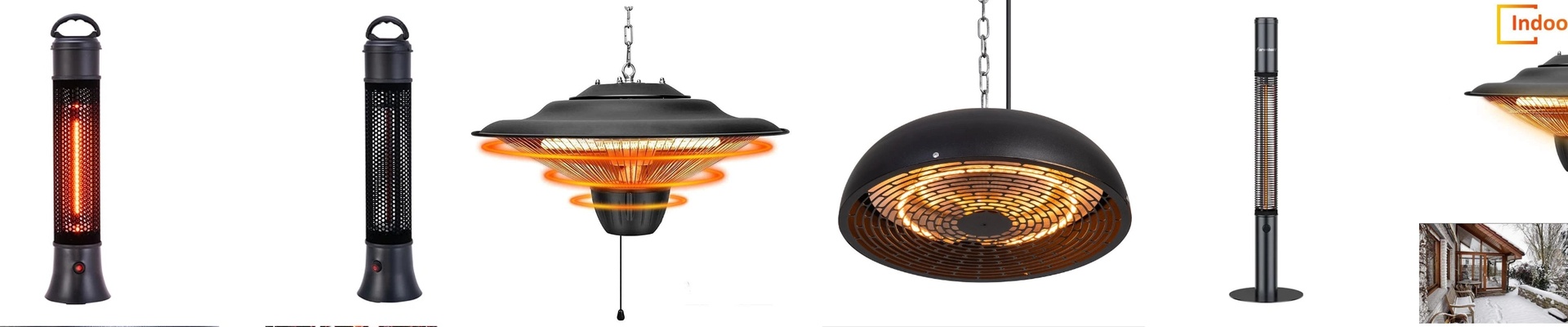
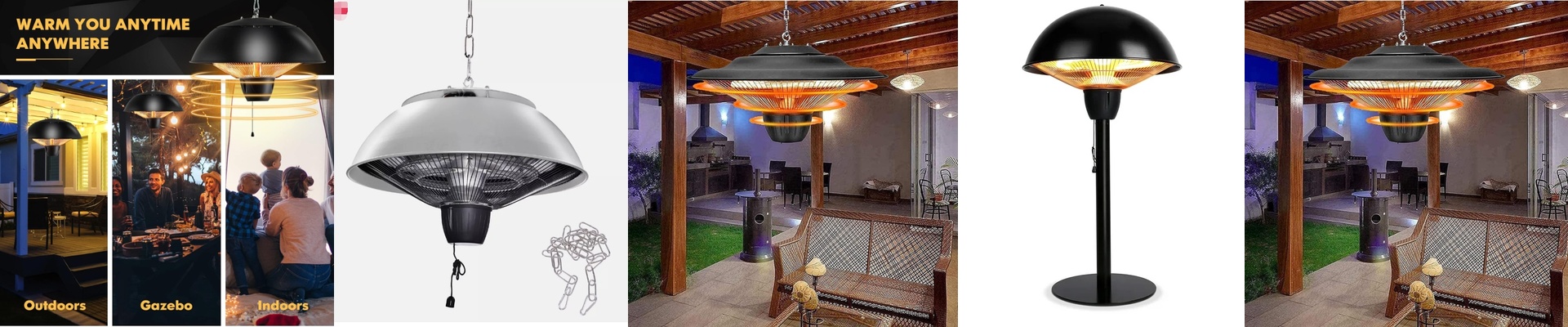
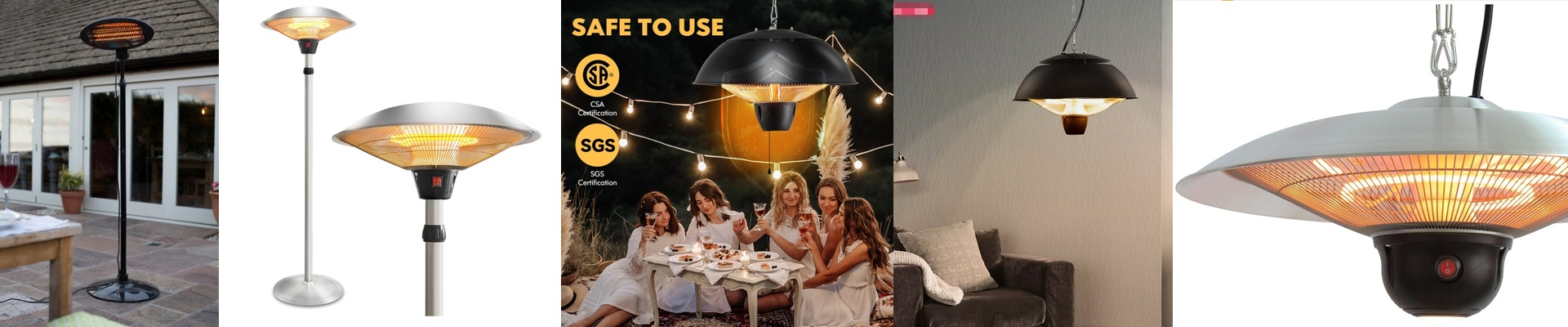
Let’s get straight to it. We built these ceiling infrared heaters for one reason: to blast heat exactly where you need it, in those big, open commercial spaces. They aren’t about warming the air. They’re about hitting people and surfaces with intense, direct heat—cutting straight through wind and cold in places like outdoor patios.
The Inside Story
At the heart of these heaters is a high-density infrared tube. It runs on 400V and 2500W. That voltage keeps things stable on an industrial grid and delivers the current needed for a lightning-fast heat-up. The tube is just 300mm long, so it stays compact. That means you can cluster several units together without crowding the ceiling. Together, they lay down a steady blanket of warmth right where you want it. And the wattage? It means the lamp hits full power in seconds. No waiting around. When customers show up, the heat is already there.
Built to Take a Beating
We use a quartz tube filled with halogen. Why? Because it handles the shock of turning on and off, over and over again, without cracking. The tube also has a special coating that keeps the infrared output steady for thousands of hours. No fading. No cold spots. The connection is an R7s base. This is a straight-up industrial, hard-wired setup—not some flimsy plug. It’s meant to handle high current and vibration without sparking or coming loose. And the housing? It’s a tough mix of ceramic and metal, built to stand up to the elements and give the tube rock-solid support.
What This Means for You
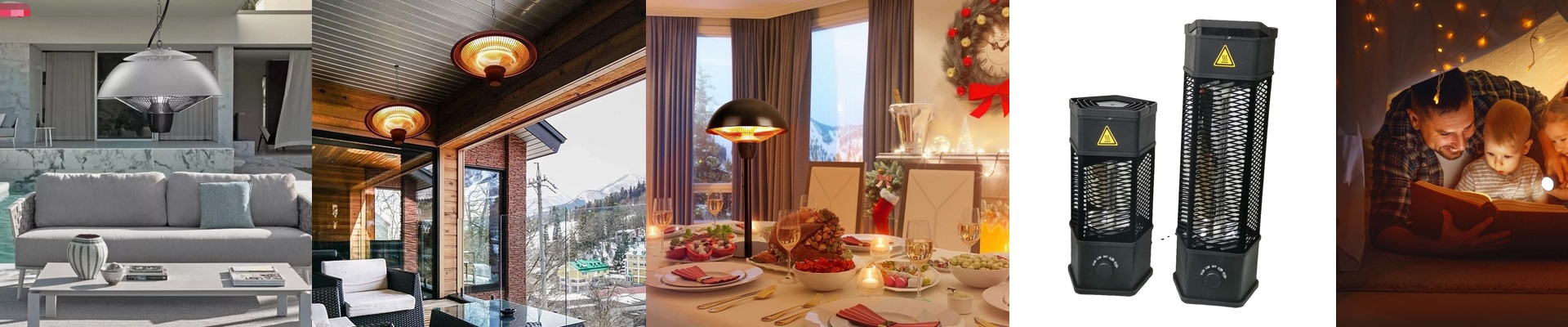
Picture an open-air restaurant. This setup sends heat straight to the tables, chairs, and people. It warms what matters, not the empty air around them. So even when the air is chilly, your guests stay comfortable. Wiring them is straightforward—they drop right in where you already have systems in place. Now, the trade-off is heat density. We’re packing 2500W into a 300mm tube, so the area gets warm fast. You’ll want to plan for ventilation and cooling to keep that heat from building up. This isn’t about looking pretty. It’s about getting the job done. It’s the practical way to turn a winter dead zone into a space that brings in revenue when the temperature drops.