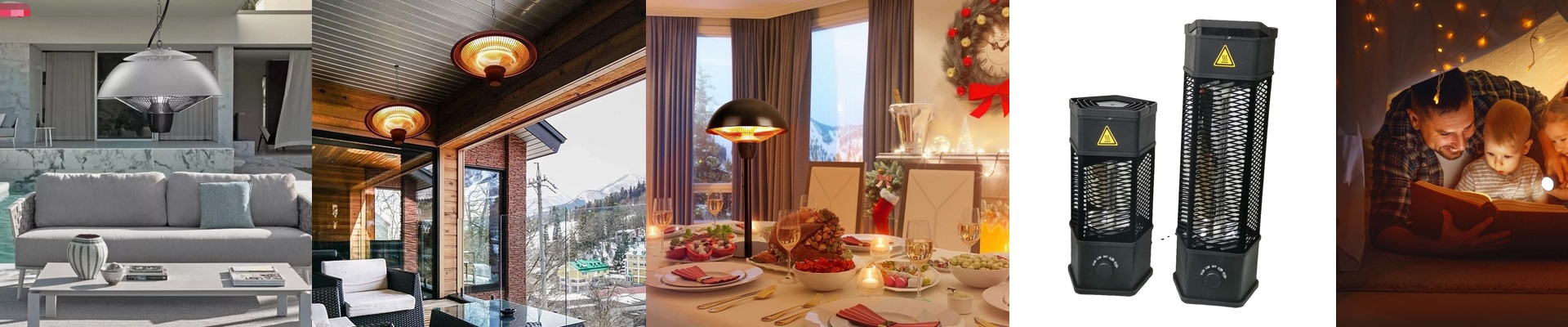
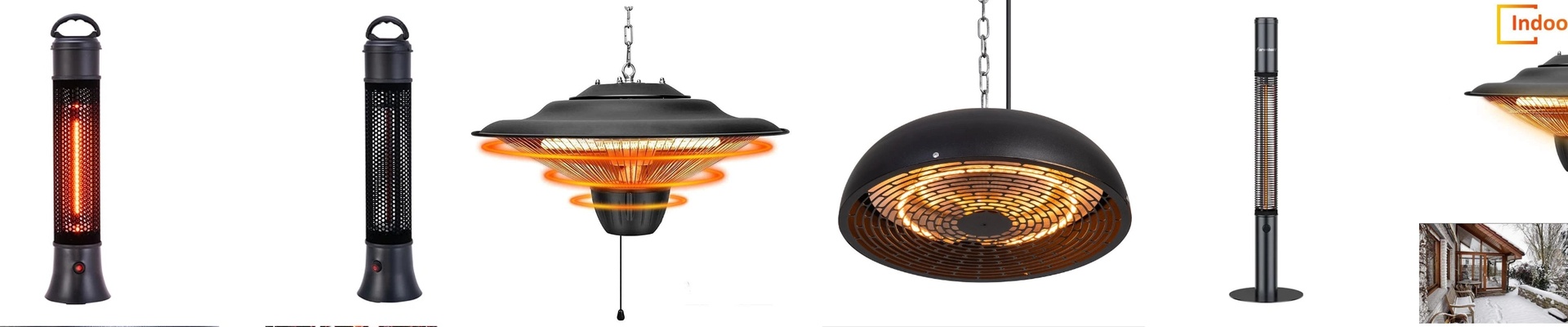
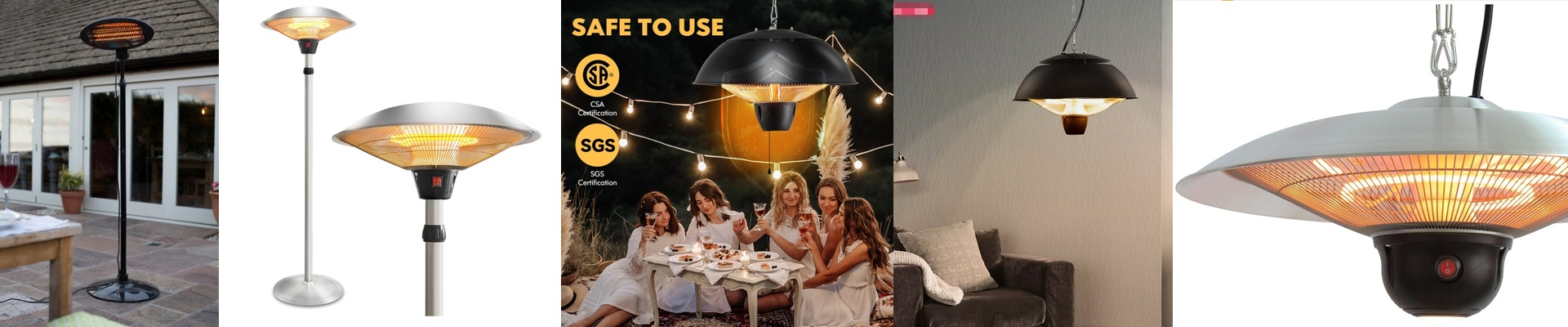
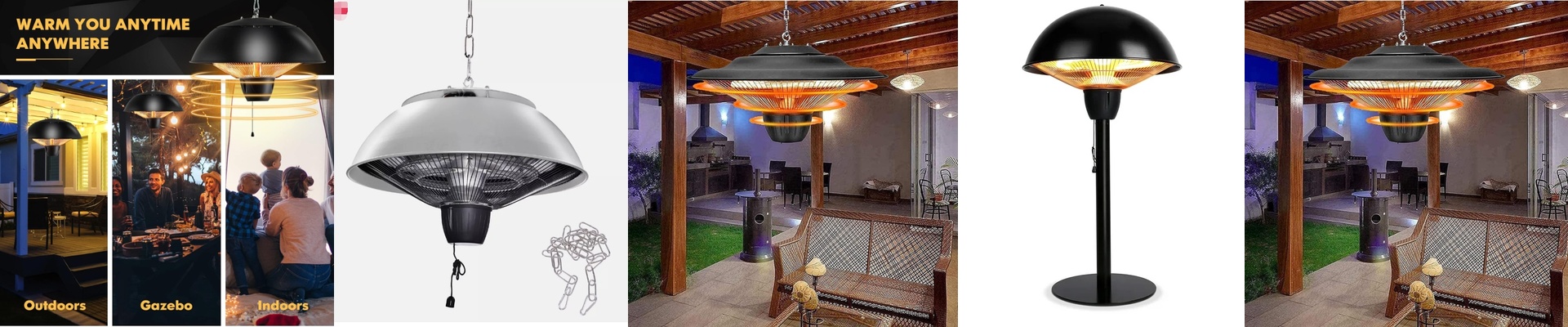
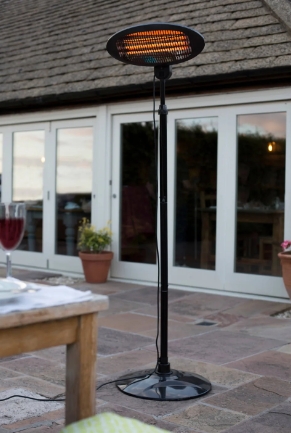
Choosing the right infrared Quartz heater comes down to one simple question: is the room working with you, or fighting you? North-facing rooms bleed heat through walls and glass. Drafty spots make the thermostat chase its tail. Go too big, you waste energy. Go too small, you sit there chilled. Match the power to the room, and you turn that guesswork into comfort. Here’s what matters on the technical side. Quartz heaters run a sealed quartz tube with an alloy element, putting out short-wave infrared warmth. The heat goes straight to people and surfaces, not the air. So you feel it fast—no waiting around. For sizing, start with room area and insulation. A well-insulated 10 m² room usually needs about 1,000 W. A poorly insulated 15 m² room may need 1,500 W. If it’s north-facing, you’re losing heat steadily; we typically add 10% to 20% more capacity. A built-in thermostat keeps the feel steady, and tip-over protection gives you peace of mind. This one-minute approach cuts the guesswork and saves time. When the wattage lines up with the space, the heater hits comfort quickly and then holds it. You get steady warmth without the on-off cycling that dries the air. In practice, that means fewer cold corners, fewer hot spots, and lower running costs. The direct infrared warmth feels good for relaxing, and it can help ease muscle stiffness after a long day. A few things to keep straight. Quartz infrared heats objects and people directly, so you feel warm even when the air temperature is lower. But it doesn’t heat the whole air mass. For best results, face the heater toward the main seating area and keep a clear distance to objects. Plug it into a dedicated outlet and check your local circuit loads. Pair it with draft-stopping measures, and the performance gets even better.