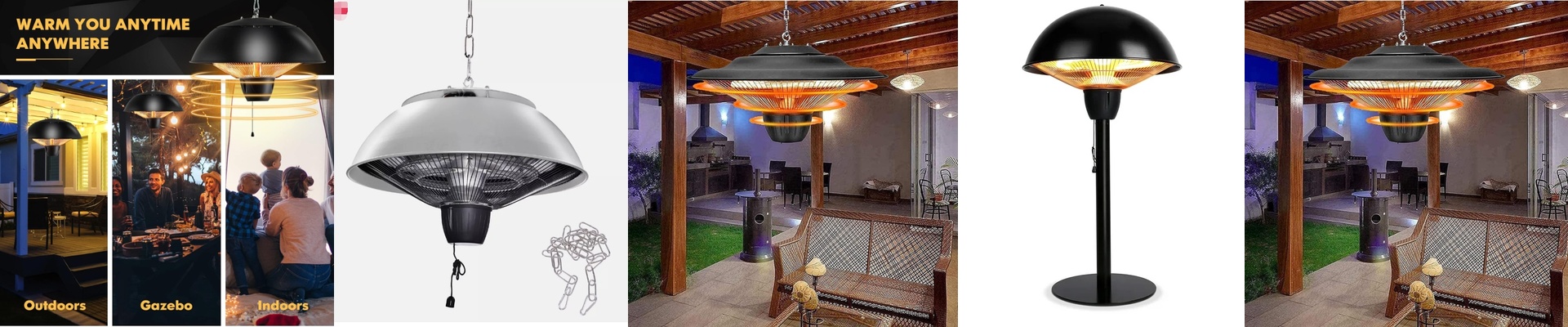
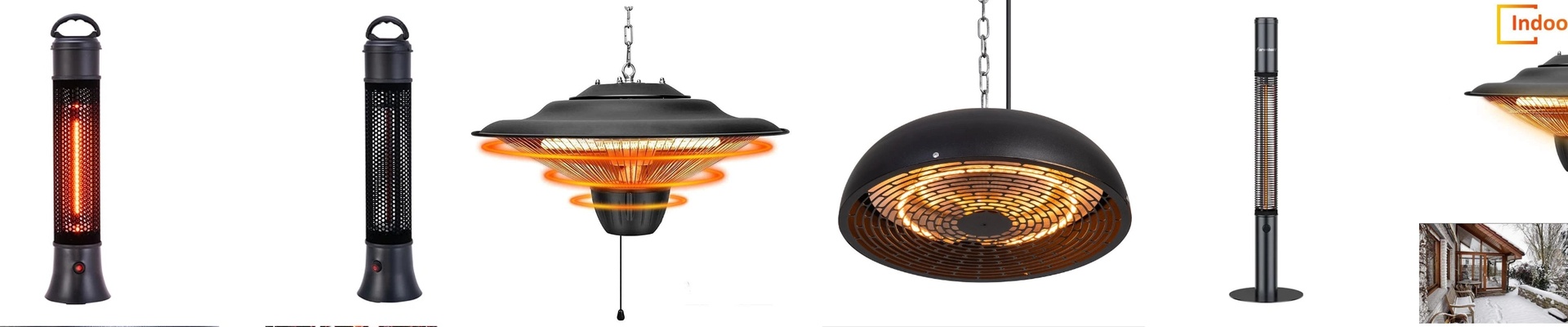
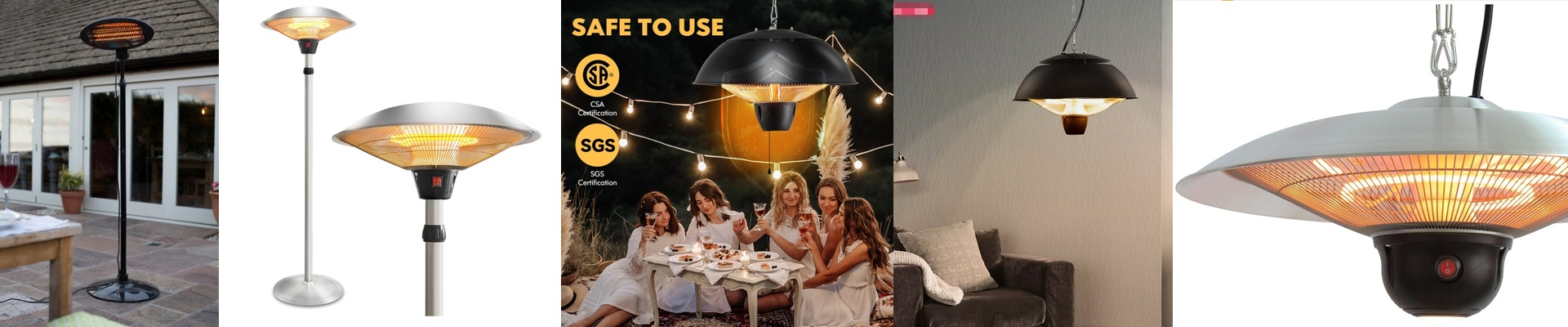
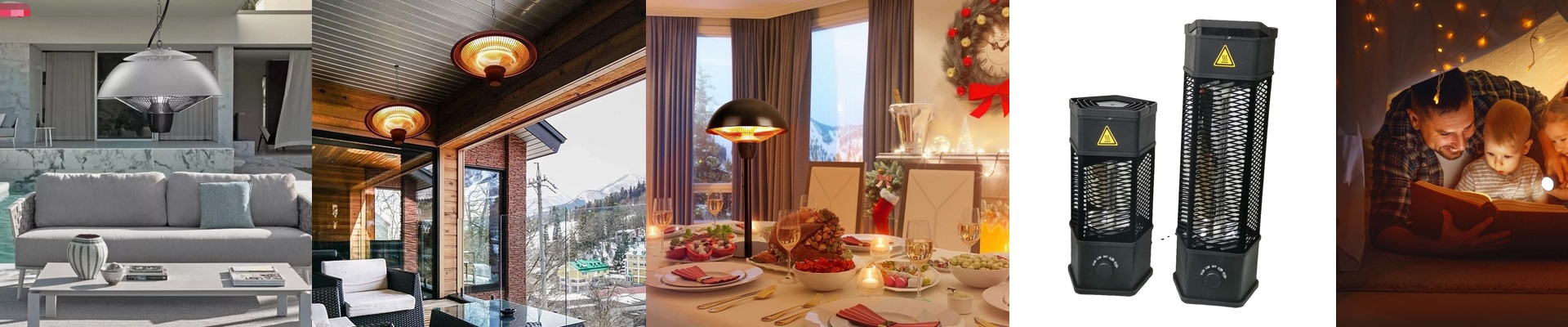
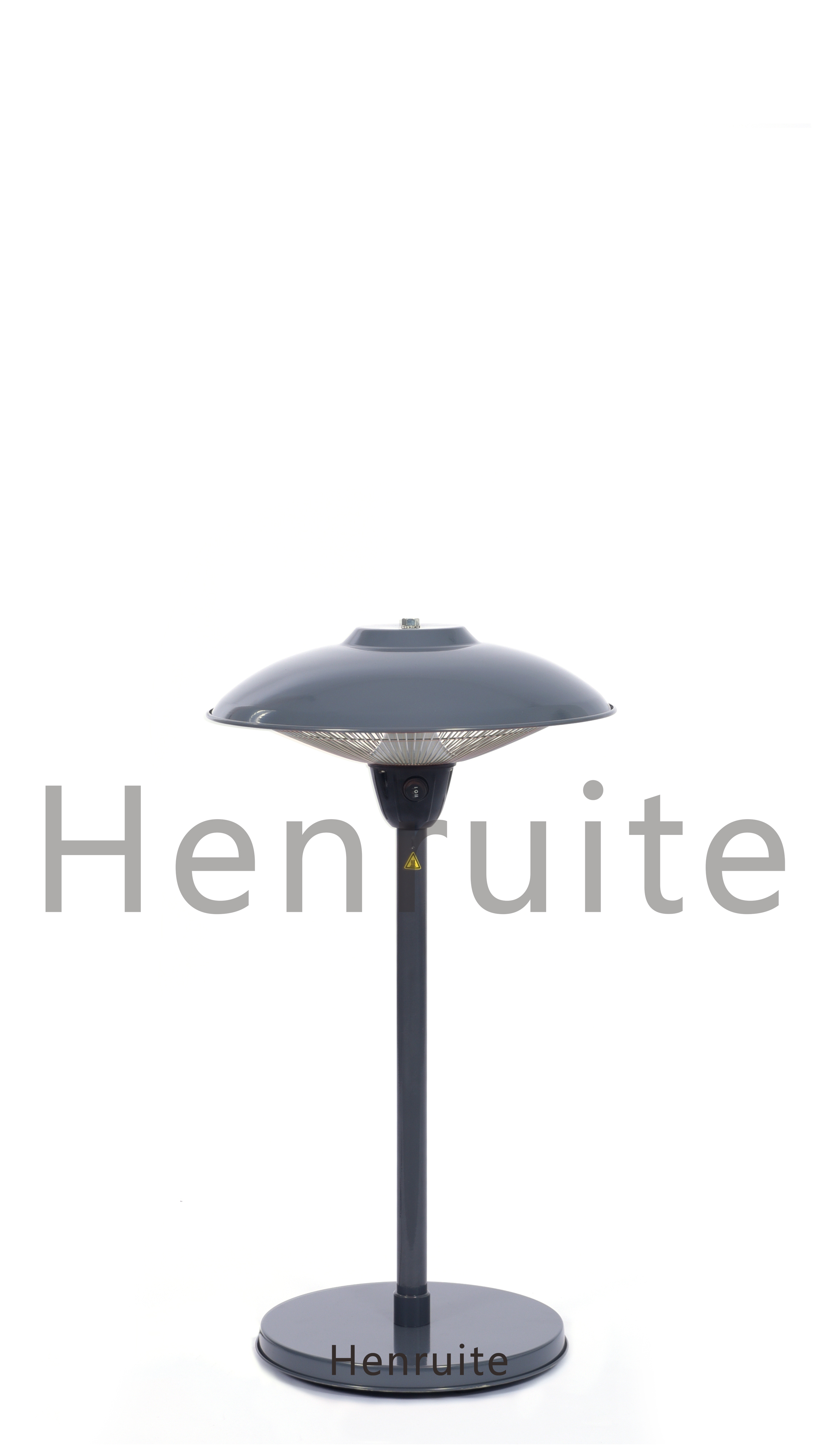
After visiting 2,000 European homes—from tight city flats to drafty country kitchens—one thing kept showing up. People want heat that shows up fast, holds steady, and slides into the day without getting in the way. That’s exactly why we built our heavy-duty infrared space heater around direct radiant heat. Forget pushing air around. This unit throws infrared warmth outward, hitting people and objects first. The feeling is immediate—no diluted, far-away heat.
What matters under the hood
At the heart is a carbon fiber heating element. It comes up to temperature quickly and holds it evenly, which is exactly what you want in a radiant heater. The build is heavy-duty and rated for continuous use, with a solid housing and a front grille that can take day-to-day handling—no showroom-only delicacy here. It’s a high-output electric heater that runs on a standard 230V supply, and it’s intended to be hard-wired for stability. You also get a thermostat for consistent comfort and tip-over protection that cuts power if the heater gets knocked over. For outdoor use, an IP rating keeps water and debris out of the sensitive bits.
Why this approach fits real living
Comfort only works if it’s practical. With infrared warmth, there’s no waiting around for the room to slowly warm up, no blasts of hot air that dry out skin, and fewer on-off cycles that leave you cold in between. In a family kitchen, it keeps the work triangle comfortable while you’re prepping dinner. On a covered balcony, it turns “too chilly” into “stay a little longer.” Because the heater focuses energy where it’s felt, you can create cozy zones without wasting heat on empty corners—helping keep energy use in line.
The details that make the difference
This is a heavy-duty heater, not a small space warmer. It needs a dedicated circuit and should be hard-wired for safe, long-term operation. Placement matters. Keep the front clear, and don’t mount it where curtains or furniture will block airflow. Indoors, it works best in well-ventilated rooms—infrared heat is direct, but air exchange still matters. Outdoors, wind exposure affects performance; under a sheltered overhang, the warmth stays where you want it.