
Introduction
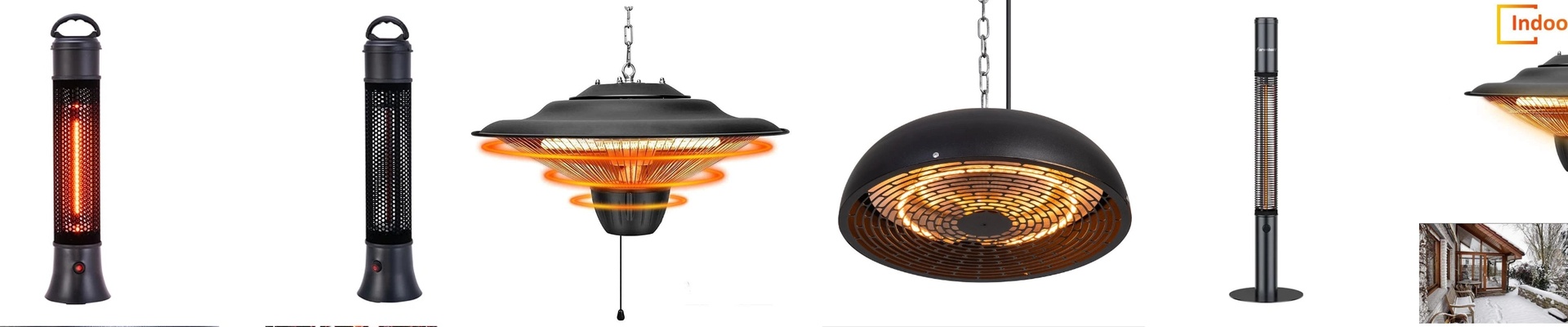
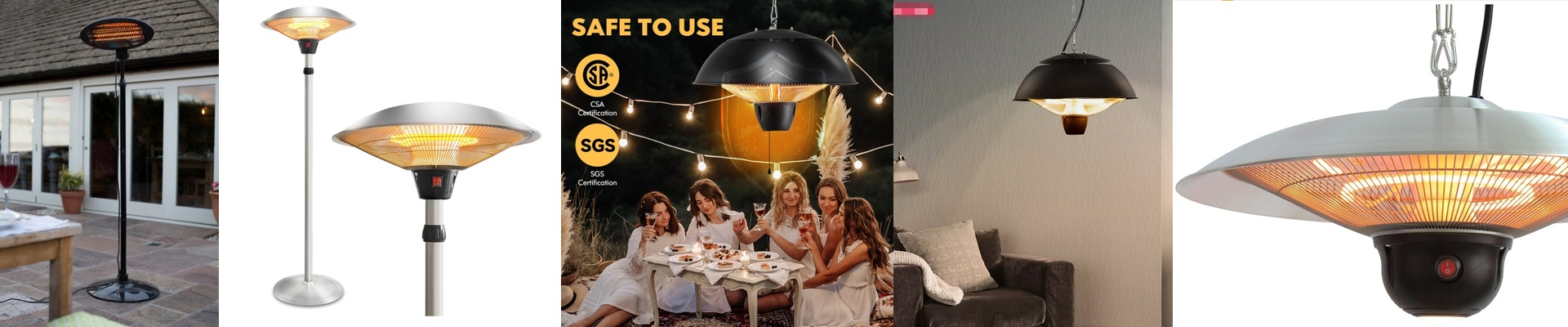
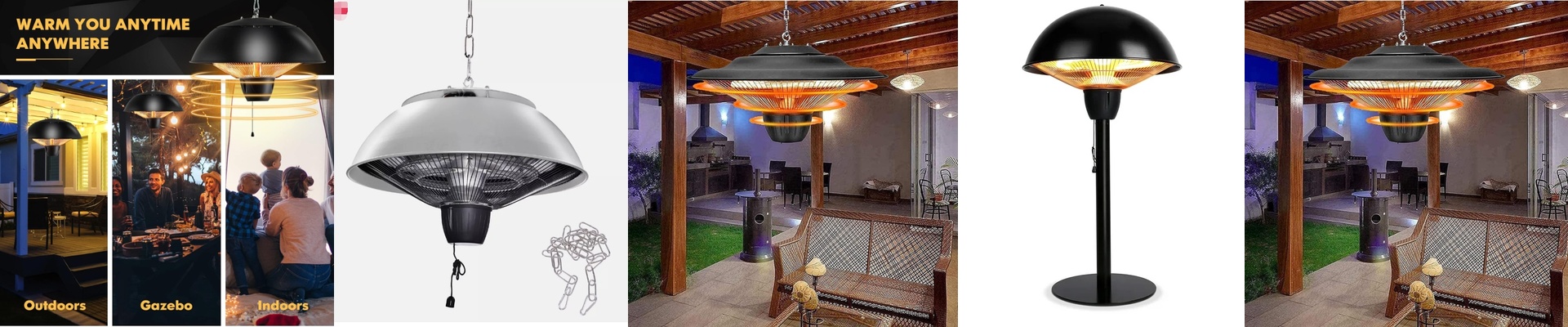
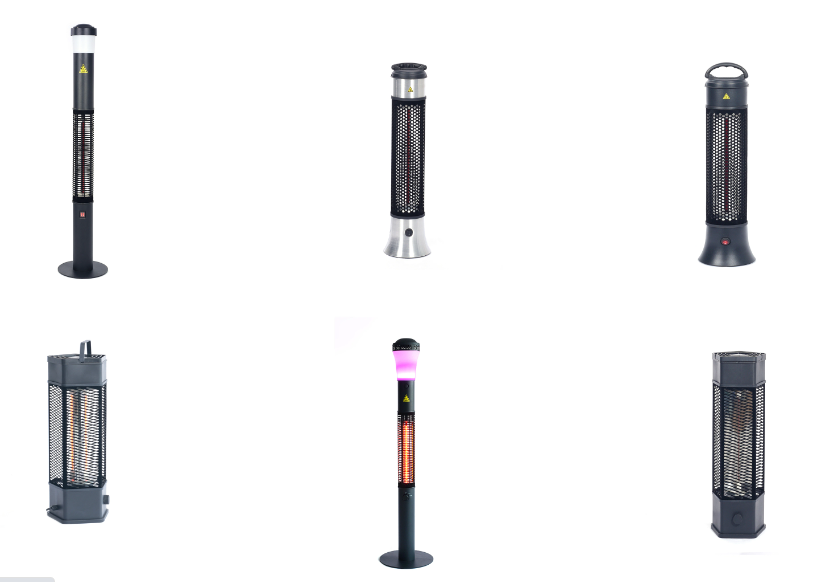
Let’s talk about a heater that actually earns its keep. This is our best-selling infrared halogen lamp, built for the kind of places that chew up ordinary equipment. It’s designed for the shop floor, not some pristine lab. If your world is full of moisture, condensation, and temperatures that swing wildly, this thing was made for you.
The Nitty-Gritty
Here’s the thing about this heater: it’s a high-density infrared beast. It zeroes in on the spot you need to warm, and it does it fast. The design keeps the electrical guts separate from the heat, which takes a load of stress off the connections. That means fewer premature burnouts. But the real enemy is moisture. You know the drill—a hot lamp face hits cold, damp air, and instantly you’ve got fog. That fog isn’t just annoying; it’s a sneaky way for water to creep into joints and onto live parts. So we fought back. We gave the surface an anti-fog treatment and sealed the whole optical path. Problem solved.
What It’s Built From
Inside, you’ve got a halogen element wrapped in a quartz envelope. Why? Because quartz can handle the high heat and the constant on-off cycles without blinking. The output stays steady, no surprises. The quartz surface has a hydrophobic coating that literally sheds water. No film, no buildup. That keeps the heat output consistent and stops those dangerous hot spots that can lead to cracking. The joints are sealed tight against splashes. So whether it’s coolant, cleaning spray, or just humid air, nothing’s getting inside. The power connection is tucked away in a low-profile entry that stays out of the line of fire.
How It Actually Works for You
Picture this: the heater is right next to the machining coolant, or in the middle of a washdown station. The anti-fog coating keeps the lens clear, so the heat delivery is steady and reliable. And because the sealing keeps water out, you don’t get tracking or corrosion at the connection points. Now, there is one thing to keep in mind: heat retention. That same sealing that blocks moisture also holds heat around the unit. It’s not a flaw—it’s just physics. You need to make sure there’s decent airflow around the fixture. If you cram it into a sealed enclosure with no ventilation, you’re asking for trouble. The payoff? Fewer unexpected breakdowns. Performance you can count on, day after day. And honestly, a lower overall cost per hour of operation. That’s the kind of reliability that makes your day a little easier.