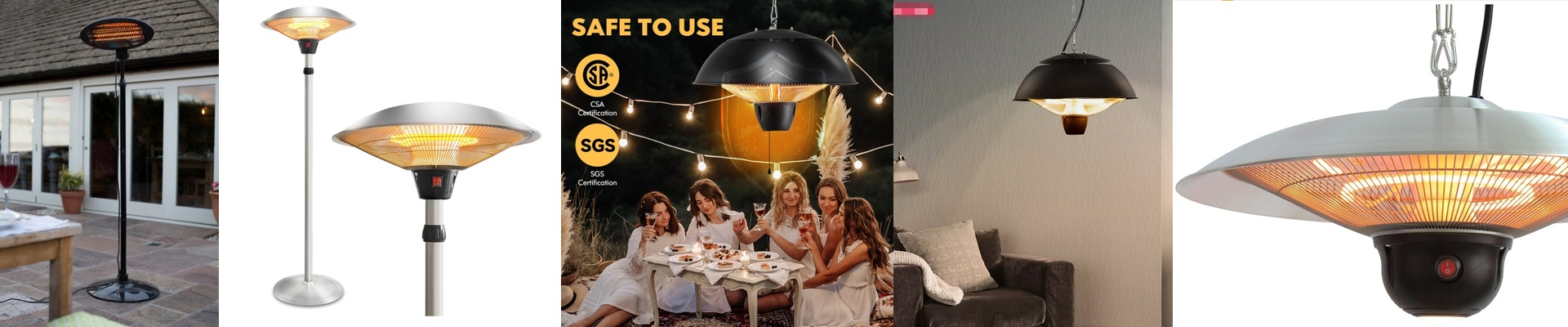
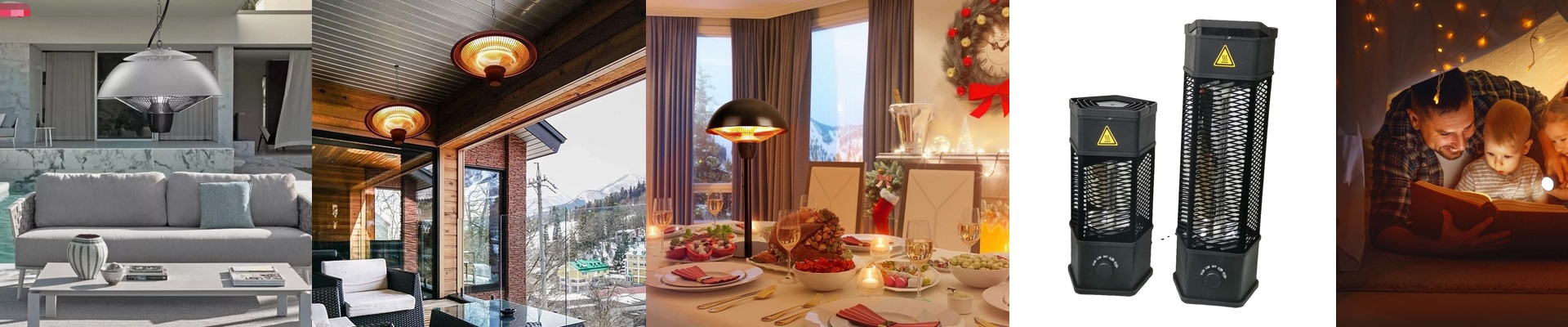
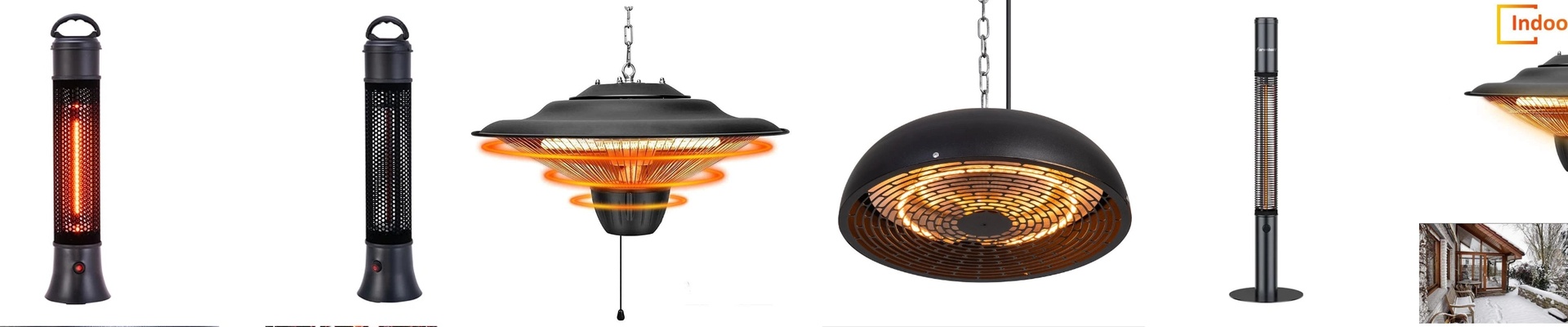
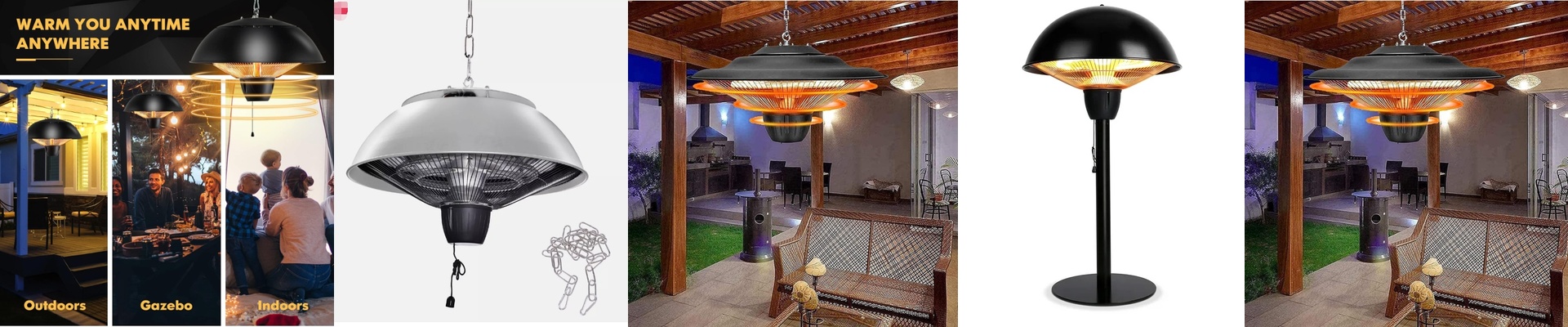

Heating a semi-open commercial corridor is never straightforward. Wind finds its way in, temperatures swing, and the space never really settles. Without smart control, you’re left with a heater that either runs full-blast when no one’s around, or cuts out right when guests show up. That’s why an infrared garden heater with intelligent sensing is the practical call.
What matters under the hood
Infrared garden heaters work the way the sun does—radiant heat that warms people and objects directly, not the air. In a corridor, that means comfort hits fast, even when the air is chilly. The key is the smart sensor: motion detection paired with a target temperature setpoint. When activity is picked up, the unit comes alive and holds the comfort level you set. When the corridor goes quiet, it drops into low-energy standby. The upshot is targeted warmth where and when it’s needed, without wasteful on-off cycling.
Why this fits the job
For commercial operators, this approach supports comfort and energy sense at the same time. You’re not paying to heat empty space, and guests don’t have to wait for the space to warm up. Because infrared heat isn’t fighting drafts the way forced-air systems do, comfort stays steady along the walkway. And it keeps the focus on people, not equipment—no noisy fans, no drafts, just an even warmth that makes guests stick around.
What you need to get right
Infrared garden heaters are electric and straightforward to install, but placement is where you earn your keep. Mount the unit high enough to clear headroom, angle it to avoid glare, and aim it to cover the main traffic path. For the best results, pair the smart sensor with a sheltered mounting spot to cut down on false triggers from wind or passing shadows. Also, check local regulations for outdoor electrical work—when the wiring is done properly, you get reliable performance season after season.