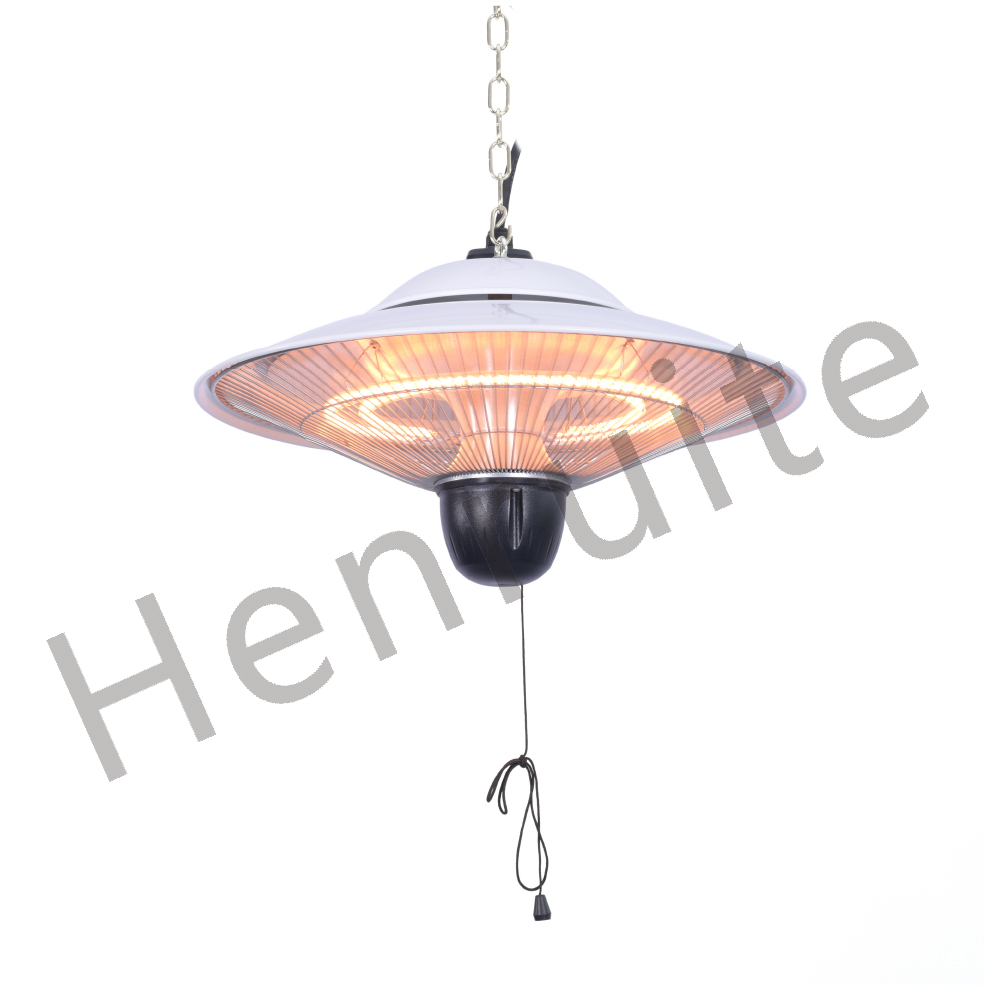
Commercial property owners are under real pressure: cut total energy use without sacrificing comfort or health. In senior living and elderly rooms, drafts and cold floors aren’t just uncomfortable—they can raise fall risk and disrupt sleep. When the heating falls short, the usual response is cranking the thermostat and running the system longer. That drives energy bills up and makes ESG targets harder to hit.
What matters under the hood
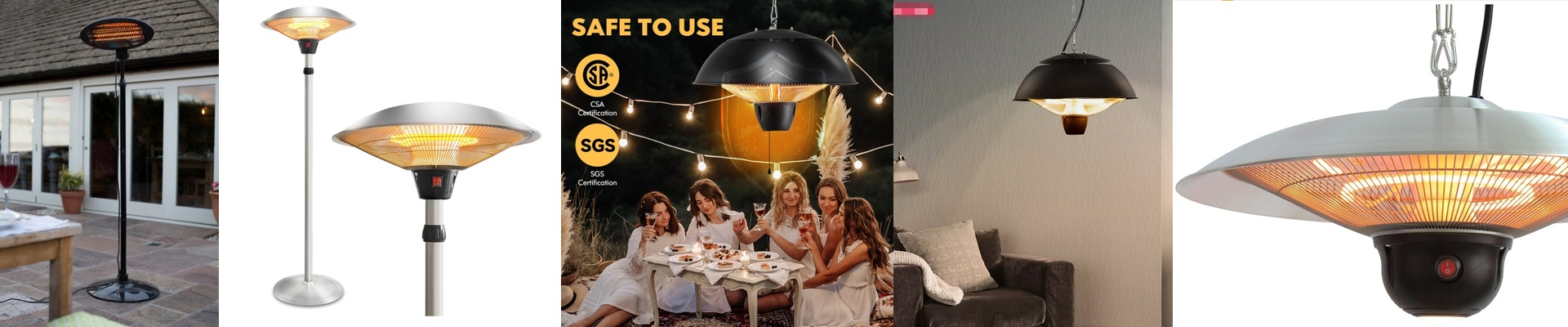
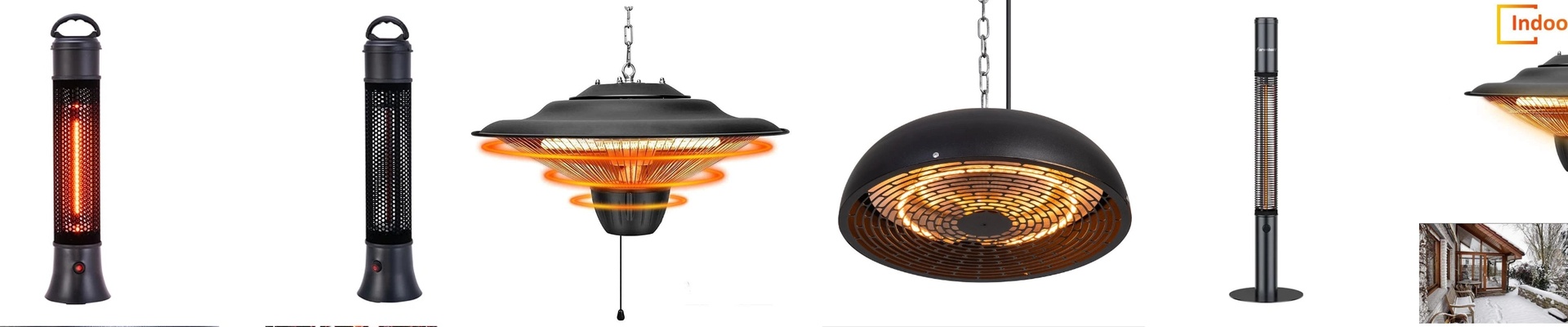
We built this room heater around radiant infrared heat, using a carbon fiber element inside a sealed quartz tube. It warms people and surfaces directly, not the air around them. In practice, you feel comfort faster, and the floor feels more even. It runs on standard electric circuits, with a thermostat for steady temperature control and tip-over protection for added safety. Because the core is efficient by design, it delivers comfort with less total energy than systems that heat air and then lose it through ventilation and leaks.
Why it fits commercial real estate
For commercial real estate, this isn’t just a comfort upgrade—it’s a measurable operating decision. Lower energy use per square foot helps reduce overall building consumption, which supports sustainability reporting and can improve ESG performance. Residents get a quieter room with fewer cold spots, and staff spend less time fielding comfort complaints. Over the life of the asset, lower demand also means less strain on HVAC capacity, which helps keep operating costs stable and supports long-term value.
The details that make it work
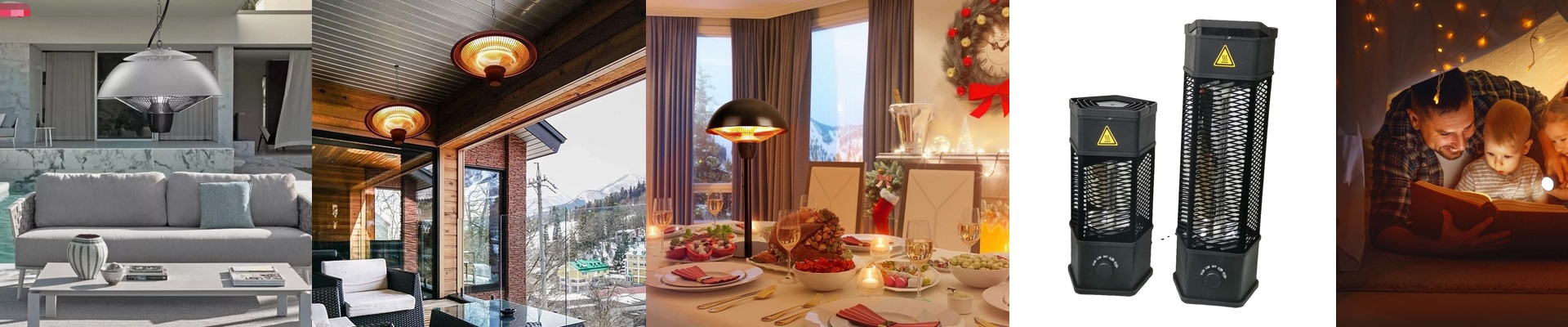
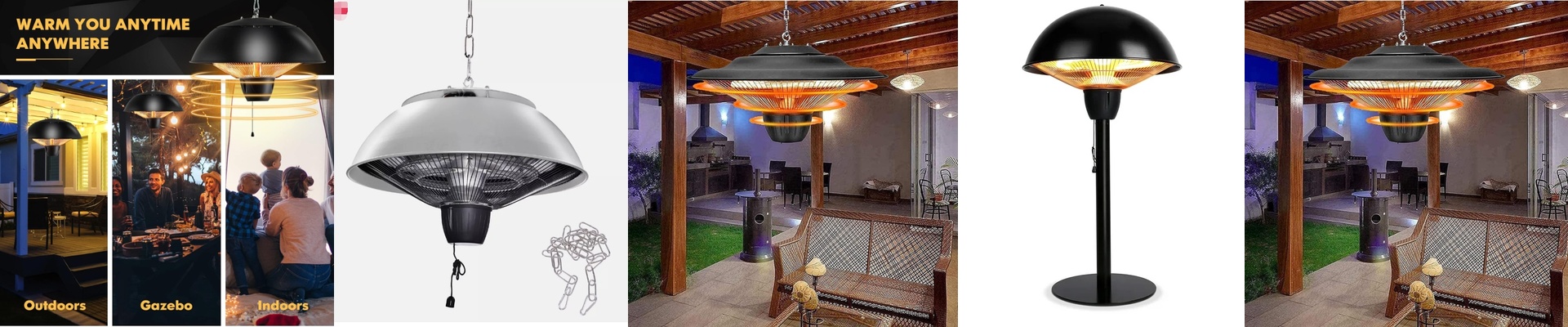
Infrared heat does its best work when there’s a clear line of sight to the people you’re heating, so placement matters. Install the unit where furniture and curtains won’t block the warmth, and match it to the room size and insulation level. It’s designed as a supplemental heat source. In very cold climates, it may need to run alongside the main heating system. Plan the circuit and mounting points up front, and you’ll get the comfort and savings without surprises.