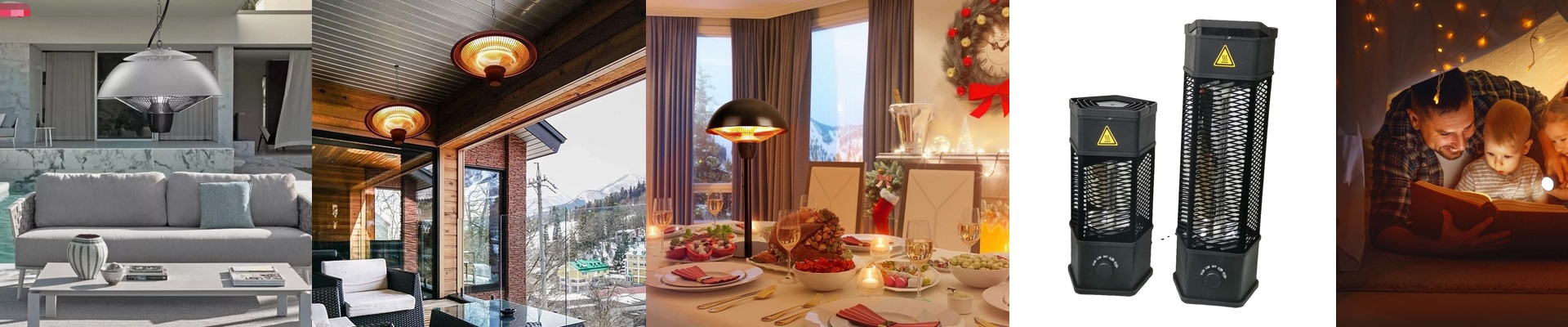
Making Your Outdoor Heaters Actually Smart
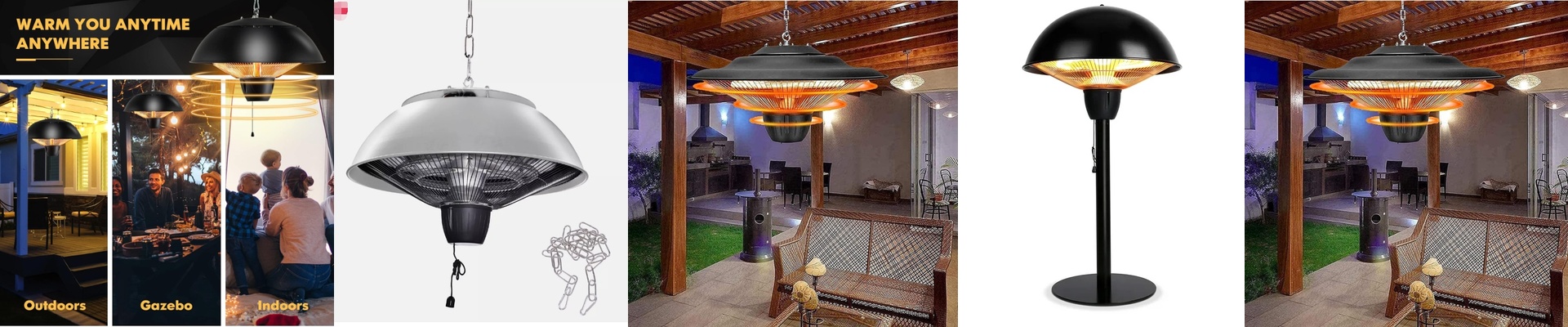
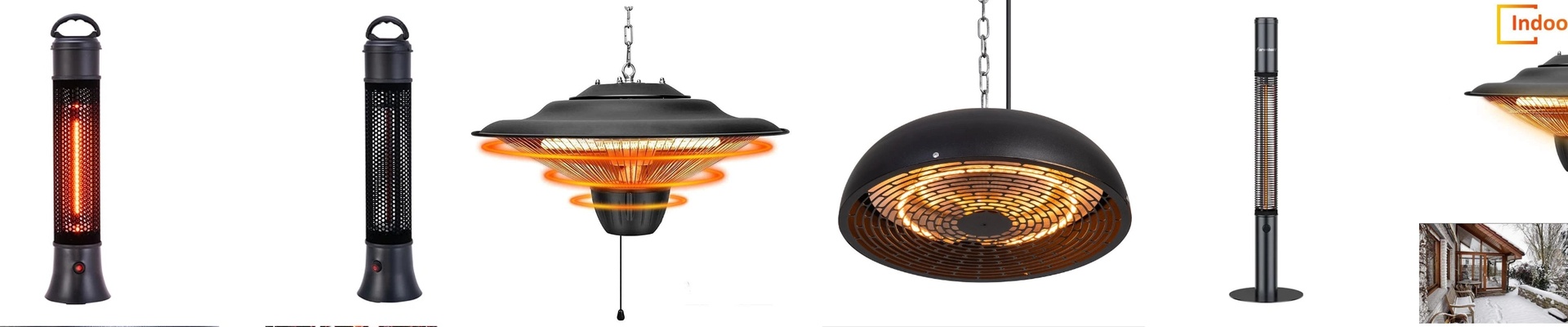
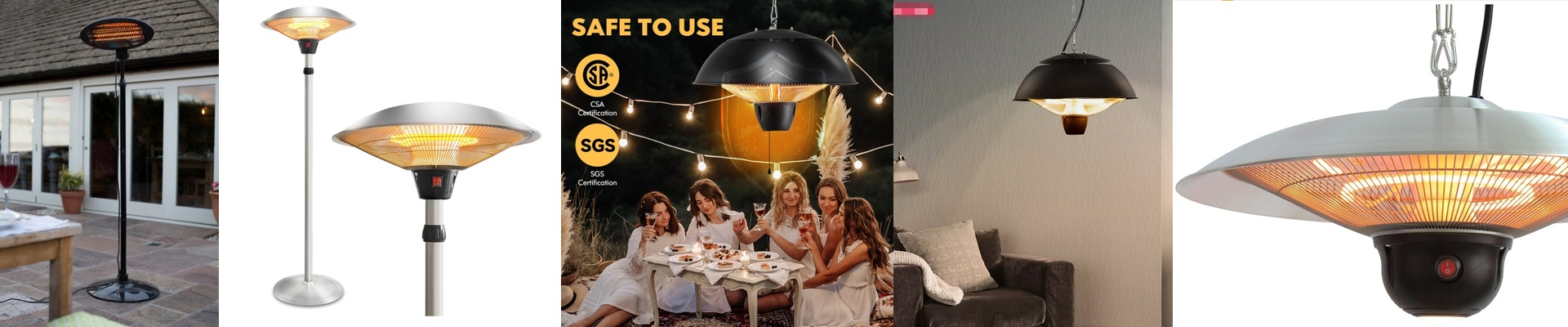
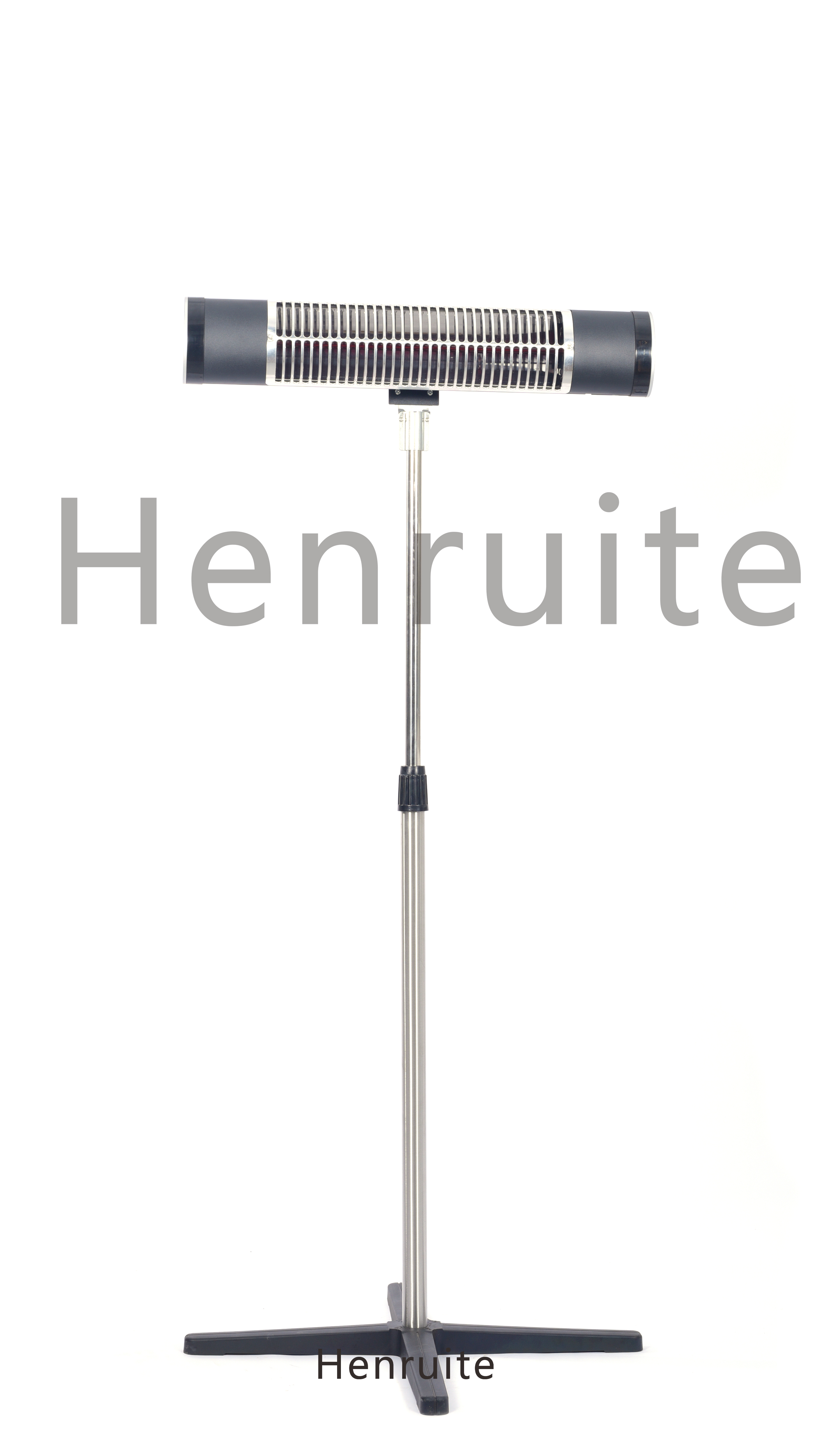
If you’ve ever tried to wrap up a chilly evening on the patio, you know the struggle. You want that “instant spring” feeling, but waiting for a heater to warm up the air is a losing battle. That’s why we lean on infrared. But if you’re putting these outdoors, you can’t just slap a Wi-Fi switch on a cheap heater and call it a day. You need gear that can actually handle the elements. The “Weather-Proof” Part We use IP65-rated housings for a reason. It basically means the unit is sealed tight against dust and can take a direct hit from a water jet without flinching. We use industrial gaskets and tempered glass to keep the guts of the heater dry. Here is the cool part: these don’t bother warming up the air. They send heat in a straight line, right to your skin. It feels like standing in a patch of sunlight. You aren’t wasting money trying to heat the entire backyard; you’re just heating yourself. Getting it to Play Nice with Your Phone To get these talking to your smart home hub, we use heavy-duty relays or TRIAC dimmers. This is what lets you just say a voice command or tap an app and feel the heat hit you in seconds. But a word of caution here.**Do not just plug a high-wattage heater into a random smart plug you bought online.**You’ll probably fry the switch. These things pull a lot of power. You need a dedicated circuit and a controller that can actually handle the amperage, or you’re looking at a melted plug and a very bad day. A Few Things to Watch Out For Infrared is powerful. Like, really powerful. Because the heat is so concentrated, it can be a bit too much for the things around it. If you mount the heater too low, you might accidentally melt your plastic trim or trip the safety sensors in your smart home setup. It’s all about the placement. Get the distance right, and you’ve got a cozy sanctuary. Get it wrong, and you’ve got a melted ceiling.