
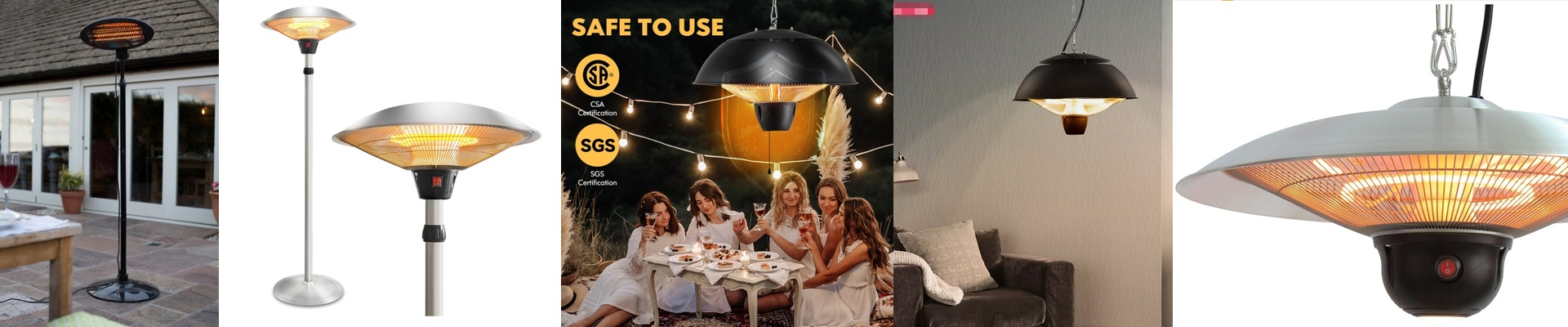

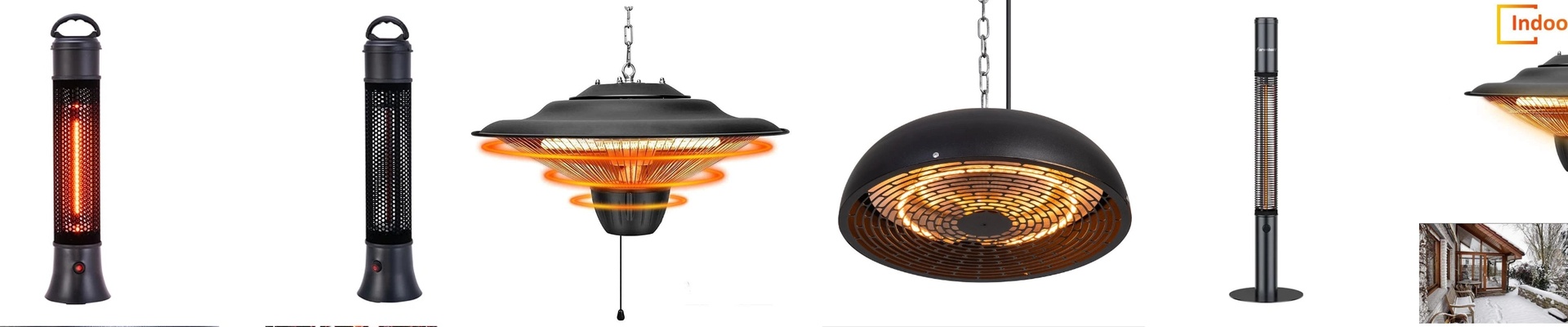
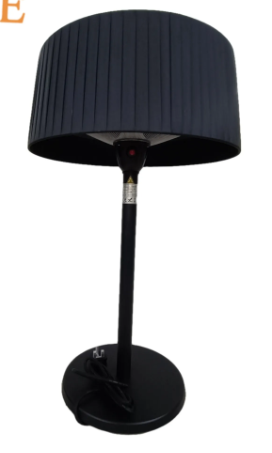
How to Actually Keep Bathroom Infrared Heaters Safe
Putting an infrared lamp in a bathroom isn’t as simple as just slapping a waterproof cover on it. You’ve got a nasty combination of extreme heat and conductive moisture. If you want to make sure the electricity stays exactly where it belongs, you have to obsess over the junction points and the materials you’re using. Stopping the leaks Water getting inside is the fastest way to fry a heater. To stop that, we lean heavily on high-grade silicone gaskets and IP-rated seals at every single entry point. But the real secret is in the terminals. We use moisture-resistant potting compounds to basically “shrink-wrap” the connections in a protective shell. It stops water vapor from sneaking in and creating a bridge between the live wires and the metal frame. The heat problem Here’s the thing: heat destroys seals. Infrared lamps don’t just stay warm; they swing from room temperature to hundreds of degrees in a matter of minutes. That constant expanding and contracting will crack a cheap seal in no time, letting steam drift right into the electronics. That’s why we use fluorosilicone or high-temp elastomers. They can handle those thermal swings without giving up. If a seal cracks, your insulation fails, and suddenly you’ve got current leaking where it shouldn’t be. Safety nets A waterproof shell is great, but it’s not a magic bullet. You need a reliable way to get rid of stray electricity. We build in a reinforced grounding wire that’s bonded directly to the metal housing. It’s a simple fail-safe. If a component burns out or a seal finally gives way, the breaker trips instantly. It’s much better for the power to cut out than for the chassis to become live. And since these lamps pull a lot of power, don’t forget the GFCI (or RCD). Our hardware handles the physical insulation, but the GFCI is your last line of defense. In a room full of steam, you want that extra layer of protection just in case.