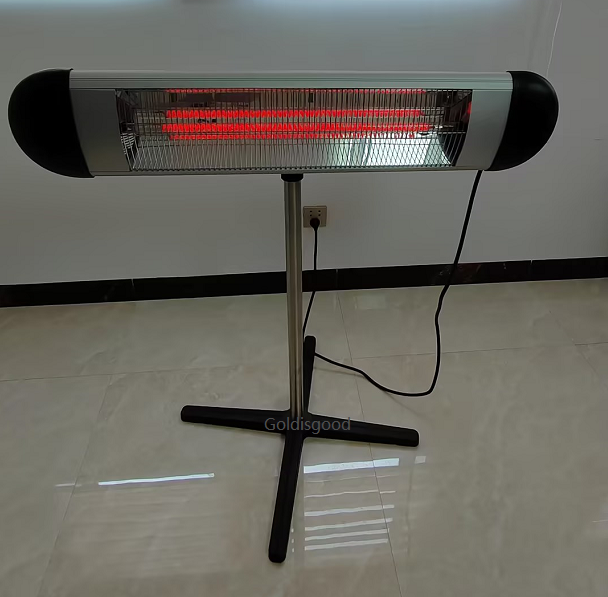
Why we put our bathroom heaters through the “damp-heat” torture test
Let’s be honest: bathrooms are a nightmare for electronics. You’ve got thick steam, wild temperature swings, and the occasional stray splash of water. Now, we build our infrared heaters to an IP65 standard. But look, a rating on a spec sheet is just a number. It doesn’t tell you if the thing will actually survive three years in a steamy master bath. That’s why we put every batch through damp-heat aging tests. Here’s the thing about moisture. Water vapor is sneaky. It finds its way through seals that look perfectly tight. In a real bathroom, that steam creeps into the housing and turns back into liquid water right on the internal circuitry and lamp terminals. That leads to something called “tracking.” Basically, electricity starts leaking across the insulation. And when that happens? The unit shorts out or trips your breaker. Not a great way to start a morning. To stop that from happening, we simulate years of wear and tear in a matter of days. We cycle the heaters through brutal humidity and heat. We want the weak gaskets or sloppy weld points to fail. But we want them to fail in our lab, not in your customer’s ceiling. What we’re actually looking for We don’t just spray the outside with a hose and call it a day. We soak the units in high-temperature moisture to see how the materials hold up over time. We’re hunting for a few specific problems:
- Does the silicone or rubber get brittle and crack under the heat?
- Do the connectors start to rust or corrode in the damp air?
- Does the insulation start to fail, making the unit unsafe? The tricky part about sealing There’s a catch, though. The tighter you seal a unit to keep water out, the more you trap heat inside. Since an IP65 unit is basically a sealed box, there’s less airflow for the electronics. It’s a balancing act. We have to make the seal tight enough to stop the steam, but open enough so the internal driver doesn’t cook itself. Just a heads-up: if you’re installing these in a tiny space with zero ventilation, that internal heat builds up way faster. Just make sure you leave a bit of breathing room—check the thermal footprint in the manual so the heater can do its thing without overheating.