Stop Losing Money Every Time the Temperature Drops
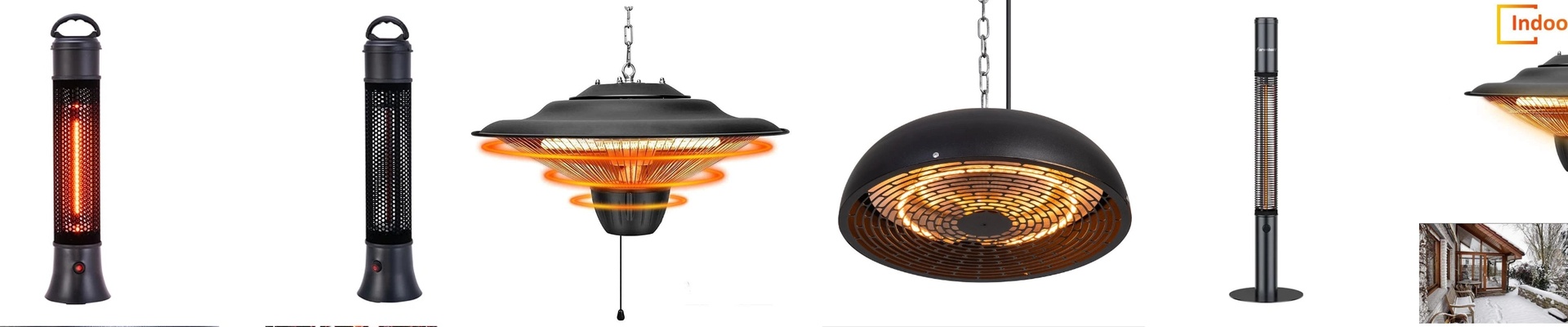
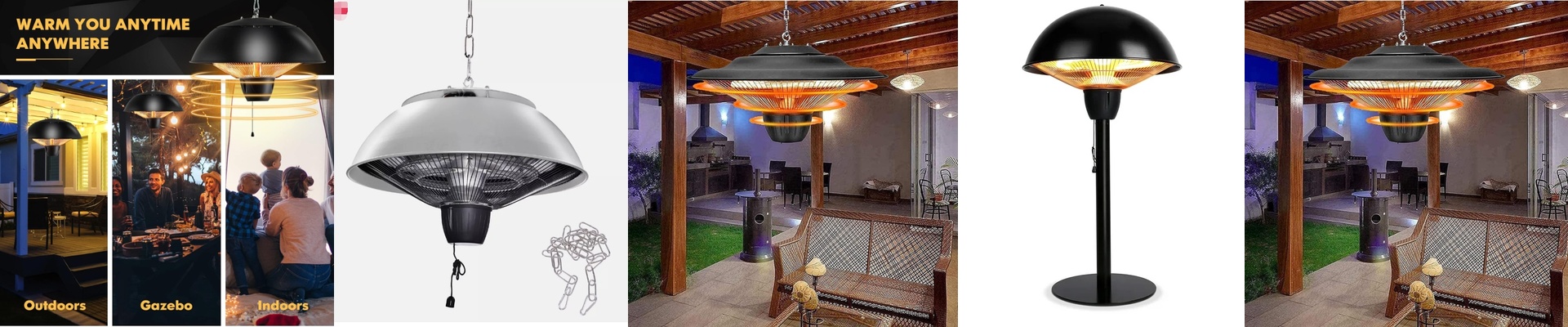
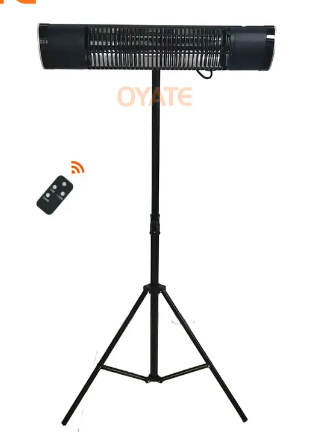
Let’s be honest: the second it gets chilly outside, your patio becomes a ghost town. It’s a huge hit to the bottom line. We fix this with shortwave infrared heaters. Now, most heaters just try to warm up the air, which is a losing battle. The wind just blows that warmth away. Ours are different. They project heat directly onto your guests. It feels like sitting in the sun on a spring day, even if there’s a breeze kicking up.
Built for the Chaos of a Kitchen
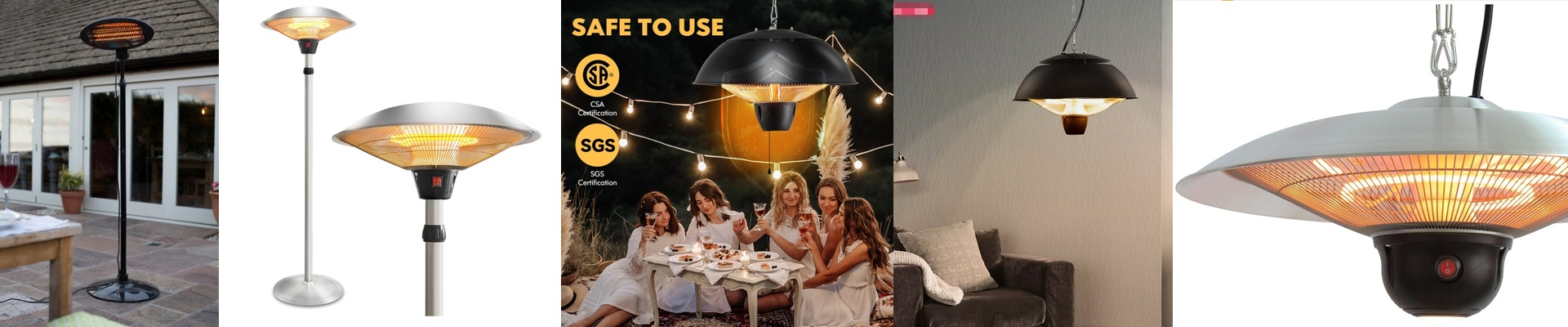
Restaurants are tough on gear. You’ve got rain, humidity, and a constant layer of grease in the air. That’s why we use the IP65 standard. In plain English? These things are dust-tight and can handle a direct blast of water. You can put them in the most exposed spots on your deck without worrying about a short circuit or the heating elements burning out. If you go with a cheaper, lower-rated unit, you’ll probably be replacing parts every single season because of corrosion. It’s just not worth the headache.
Heat That Actually Works
The best part about shortwave tech is that there’s no “warm-up” period. You flip the switch, and the heat hits the table instantly. This is a huge win for your staff. You can keep the heaters off when a table leaves and click them on the moment a new group sits down. No wasted energy. Now, a quick tip on the setup: bigger wattage means the heat reaches further. But you have to be careful. If you put too much power in one spot, your guests will have scorched shoulders while their feet are still freezing. We usually suggest a staggered layout. It creates a “curtain” of warmth that feels even and comfortable.
Keeping People in Their Seats
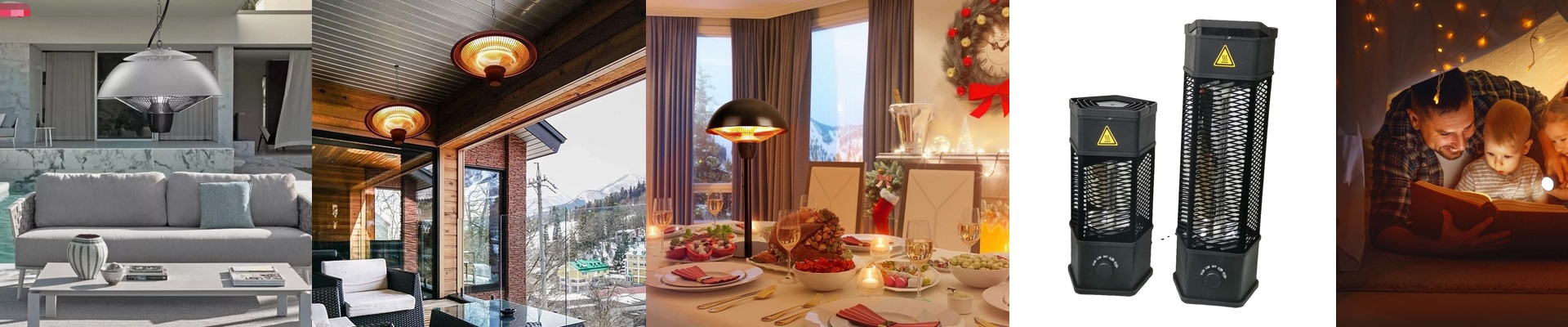
Cold customers don’t linger. They eat their main course as fast as possible and bolt. When you keep the vibe around 72°F (22°C), people actually relax. They stay for that extra round of drinks or the dessert menu. It keeps your outdoor seating profitable all the way through December and January. Just one thing to watch out for: these units pull a lot of power. Double-check your breaker panels before you install them. The last thing you need is the power tripping right in the middle of a Friday night dinner rush.