

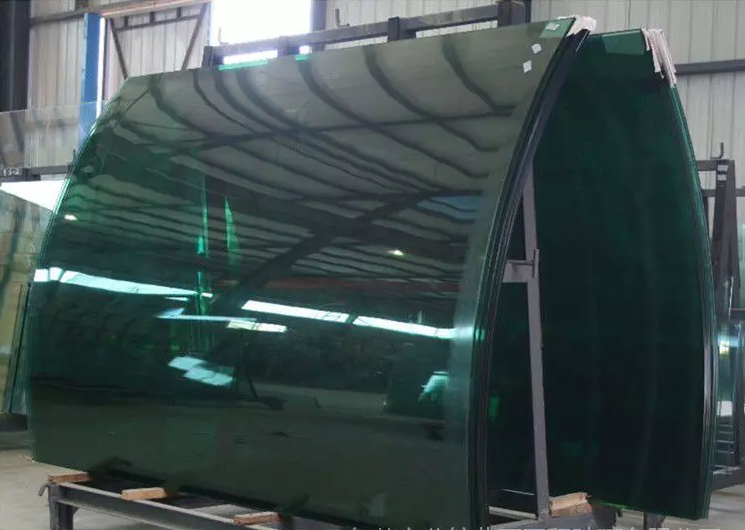
On the tempering line, a single hot spot can chew through a furnace belt or push a sheet right past its thermal stress limit. That heating element protection mesh sits between the quartz or short-wave emitters and the moving glass. It catches debris, keeps hands and tools from an accidental touch, and evens out the thermal profile. When the mesh goes, you get uneven heating, more scrap, and an unplanned stop. What matters, technically We make the protection mesh from high-emissivity, low-thermal-shrinkage materials, with a tight, uniform weave that keeps radiation transmission consistent. The geometry is shaped to preserve the intended heat distribution, so the furnace sees the same effective load whether the mesh is fresh or well worn. Specs are matched to common element layouts: standard widths for flat and bent glass furnaces, compatible connectors and mounting pitches for a quick retrofit, and voltage/power ratings that line up with your existing heating modules. The payoff is predictable temperature control and fewer hot/cold bands across the glass. Why it holds up in real work In tempering, the mesh keeps the heating zone stable, which cuts down edge stress and reduces cut-outs. In bending, it helps you hold the set point long enough to keep sag under control. On high-throughput lines, it buys you extra hours between maintenance windows, so you can run more cycles without chasing drift. Energy use stays steady because the mesh prevents parasitic losses and keeps the emitter environment clean. A few shop-floor pointers Installation is straightforward, but you have to tension the mesh right. If it sags, you get localized shadows and uneven heating. Check clearances against the glass path, and confirm compatibility with your furnace brand and element spacing. Set inspection intervals based on throughput; heavy contamination or mechanical damage will shorten service life, so keep spares on hand for peak production.