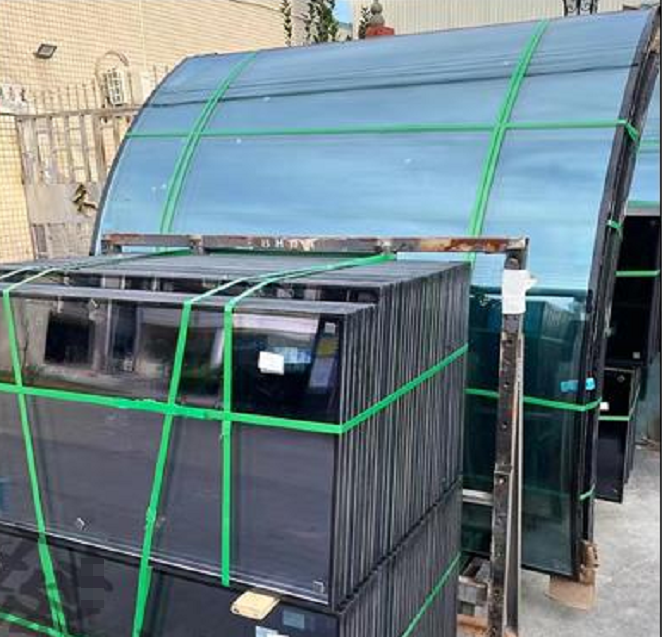
On a high-throughput glass line, heat is way more than temperature. It’s timing, uniformity, and repeatability—every shift, every batch. When the heating drifts, you don’t just see optical distortion and thermal stress cracks. You get EVA/SGP/PVB lamination voids. And you get wasted kWh and scrap that lands right on the bottom line.
What matters under the hood
We build our heating around NIR quartz modules that were born for glass: fast response, tight control, and solid electrical-to-thermal efficiency. The emitters put radiant heat straight into the glass with minimal convection, so the furnace or oven comes up fast and holds setpoint without overshoot. Control is closed-loop SCR or PID, with zoned power matched to glass width and the process profile—tempering, bending, lamination preheat, or coating drying. The payoff is a stable thermal field that cuts thermal stress, improves flatness, and keeps the line moving at speed.
Why it holds up on the floor
Here’s what that looks like when the conveyor is running. You get lower energy draw without sacrificing throughput. The fast ramp-up shortens cycle time and trims standby power. Uniform heat distribution reduces rejects from uneven sag, roll-in, and stress fractures, so finished-glass yield climbs. The modules drop right into common OEM footprints, which means minimal downtime and no expensive retrofits. Over a year, you typically see fewer kWh, fewer heating-related defects, and less maintenance labor. The system runs cooler, cleaner, and more predictable.
The details that keep it honest
These modules need proper voltage matching, clean mounting surfaces, and alignment to preserve hot-zone uniformity. They’re sensitive—dust and oil films on quartz create hot spots and shorten service life. To get the full benefit, pair the upgrade with temperature mapping and an emissivity check on your glass types, then confirm the control strategy matches your product mix. Plan it right, and the upfront attention buys you sustained savings in energy, yield, and maintenance.