

Getting Real Temperature Data from Tricky Glass
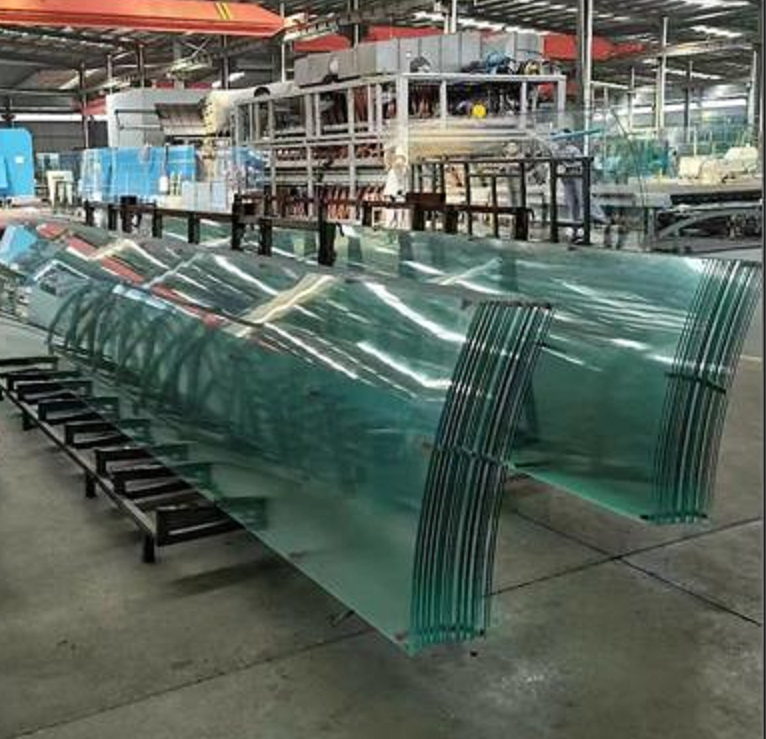
If you’ve ever tried using a standard laser temp gun on a new glass composite, you know the frustration. You pull the trigger, and the reading is just… off. It’s because glass is a nightmare for sensors—it reflects, it refracts, and it basically plays tricks with the light. We don’t just hand you a tool and wish you luck. Instead, we build a system that actually understands how your specific material absorbs heat.
The problem with “off-the-shelf” sensors
Most sensors assume they’re looking at a flat, boring surface. But in a lab, that’s a huge gamble. If the beam isn’t dialed in, you might accidentally heat up the sample just by measuring it, or worse, the beam bounces right off. That’s where we come in. We tweak the power density of the beam so you don’t get those annoying “hot spot” errors. You stop fighting with surface glare and finally get a reading that tells you what the material is actually doing.
Total control over the knobs
We leave the settings open for you. You can mess with the integration time and emissivity until they perfectly match the refractive index of your glass. This is a lifesaver if you’re working with doped glass or thin-film coatings. We can shift the wavelength to hit the exact absorption peak of your material. Without that, your sensor might just “look through” the glass and give you the temperature of the oven wall behind it. Not exactly helpful.
The honest trade-offs
Look, when you crank up the sensitivity this high, the sensor gets a bit touchy. You’ll need a rock-solid mounting bracket because any vibration will mess with your data. And if your shop is dusty? Your lens is going to get dirty fast, and your accuracy will tank. Keep it spotless, or we can set you up with an air-purge collar to blow the dust away automatically. We build these for the engineers who are tired of “ballpark” figures. You tell us what you’re working with, and we’ll make sure the hardware actually sees it.