
Getting the Ink Right Without Breaking the Glass
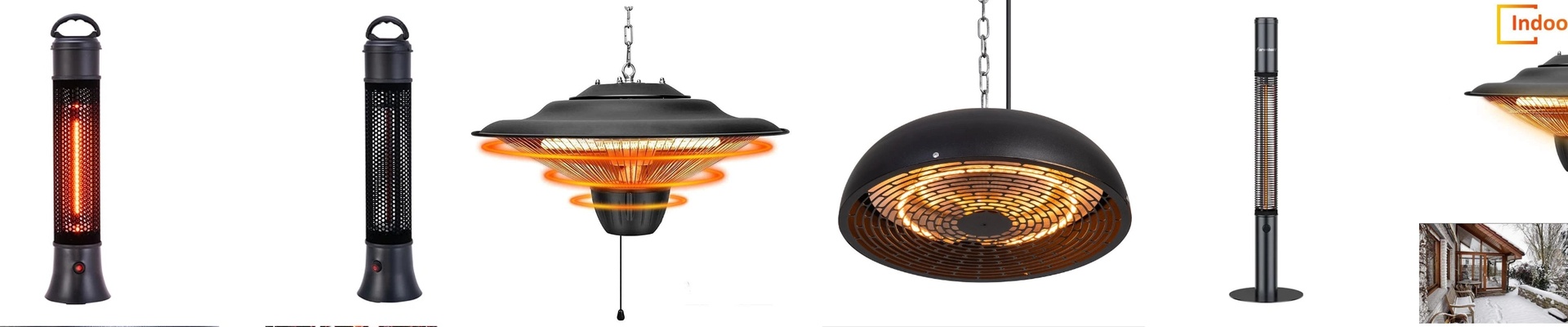
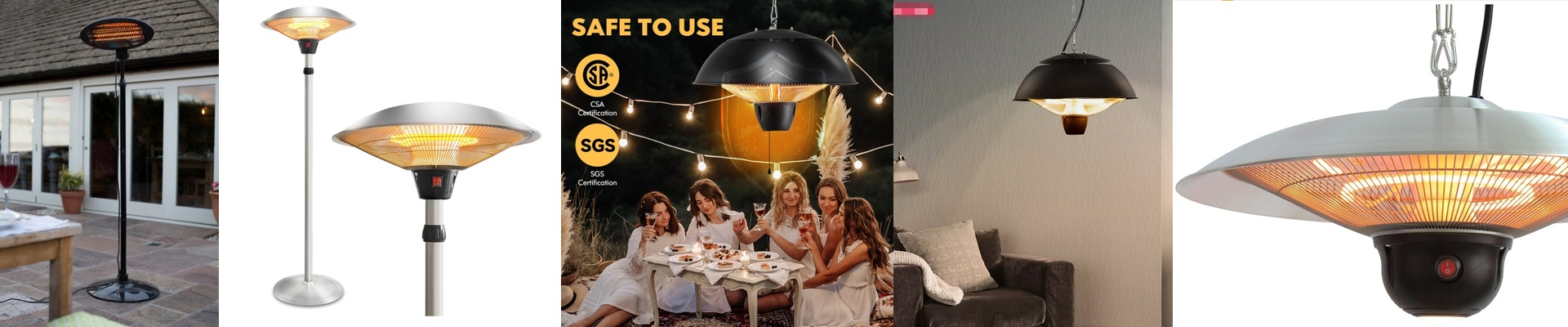
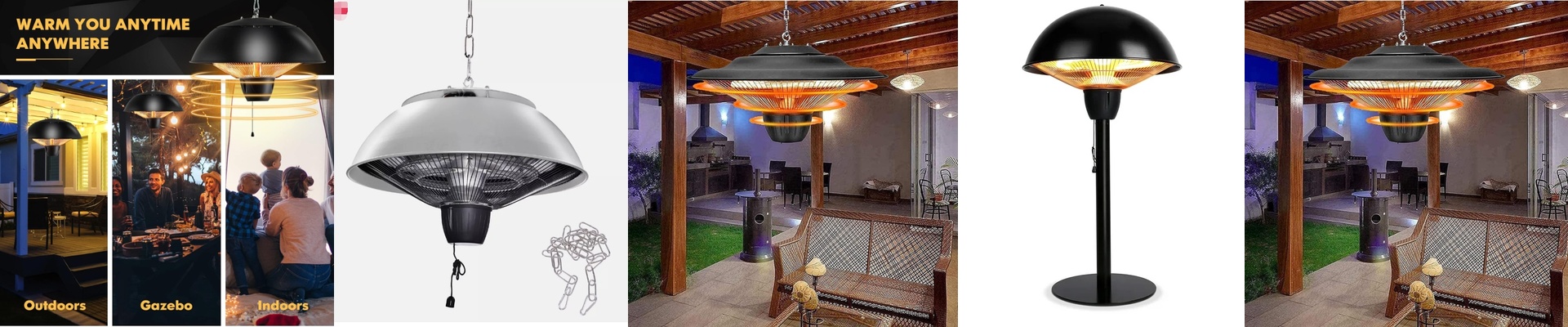
When you’re combining silk screen printing with tempering, you’re basically walking a tightrope. You have to cure the ink, but you can’t overstress the glass. It’s a tricky balance. Hit it with too much heat too quickly? The ink blisters. Too little? The pattern smears or just won’t stick once it hits the furnace. To fix this, we use infrared (IR) preheating right at the nip roller stage. It’s the bridge that makes the whole process actually work.
Why Shortwave IR?
We go with shortwave IR lamps because they don’t mess around. They punch right through the ink layer and heat the glass surface almost instantly. Unlike those big convection ovens that just push hot air around, IR transfers energy directly to the glass. This is huge. It lets you flash-dry the ink without heating the entire sheet so much that you risk thermal shock. But you have to get the wattage right for the size of your glass. If you speed up the line, you’ve got to crank up the power density to keep that surface temperature steady. We usually stick with quartz-halogen elements because they ramp up fast.
Dealing with the Heat
The secret is a steady, controlled climb in temperature. If your preheat is spotty, you’ll end up with “cold spots.” That’s where the trouble starts. You’ll notice the ink peeling off after the glass is tempered, which is a nightmare to deal with. I always suggest aiming the lamps specifically at the ink. Just keep in mind that high-density IR puts out a ton of heat. You’ll want to make sure your cooling fans and shielding are up to the task, otherwise, your lamp housings will overheat or your roller assembly might start to warp.
The Speed Trap
It’s tempting to just crank the heat to move the line faster. But be careful. If you push the preheat too hard, you might mess with the internal stress of the glass before it even gets to the main furnace. It’s all about the trade-off between IR intensity and conveyor speed. If the ink is bone-dry but the glass is already too hot, you might see distortion in the finished piece. Keep a very close eye on your pyrometer. It’s the only way to know for sure what’s happening.