
Squeezing High-Heat IR into a Mobile Glass Rig
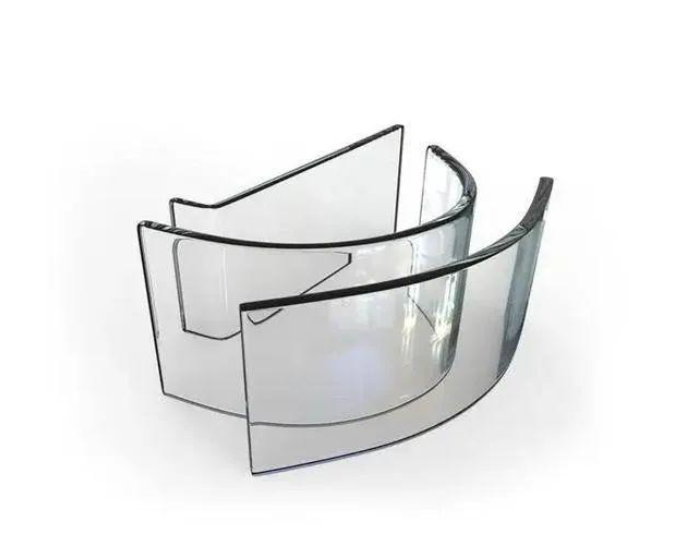
When you’re trying to cram a high-performance heating system into a mobile glass repair bracket, you’re basically fighting for every single millimeter. You can’t just take a massive factory tempering line and shrink it down. That doesn’t work. You need a setup that hits those high temperatures fast, but without blowing your voltage budget or melting your own equipment. The struggle with power and space To get enough heat in such a tiny footprint, we lean on shortwave infrared (SWIR) elements. These lamps focus energy into a tight band that glass actually likes to absorb. Since you’re likely running on a mobile power supply, it’s all about the “watt-per-centimeter” ratio. Here’s the catch: when you pack that much power into a small tube, the filament gets incredibly hot. You have to balance that against your voltage. If your rig only does 220V, we tweak the length and diameter of the filament. That way, you hit your target temp without needing a giant, heavy transformer that ruins the whole point of having a portable kit. Picking parts that actually last We go with quartz envelopes because they let the IR radiation pass through without getting in the way. And for the connectors? We keep it simple and rugged. These rigs get tossed around in vans and trucks, so we use terminals that won’t shake loose the moment you hit a pothole. But you have to be careful. Pushing all that power through a micro-lamp creates some intense, localized heat. If your bracket doesn’t have a way to move that heat away—like a good heat sink or some airflow—you’re going to warp your frame or fry your wiring. Your housing needs to be tough enough to take the heat reflecting back at it. Making it work in the field The real beauty of these elements is that they let you do targeted tempering or stress relief right there on-site. Because the heating footprint is so small, you can get the heat source much closer to the glass. It means less energy is wasted heating up the air around you. Just a heads-up: make sure your PID controller is tuned for a faster response. Since the element has less mass, it reacts quickly. If you aren’t careful, you’ll overshoot the glass transition temperature before you even realize it.