Stop Messing Around with Individual Lamps
Most of us start the same way. You buy a few infrared lamps, spend a weekend wiring them up, and build some kind of makeshift frame to hold them. Then comes the real headache: spending hours nudging the lamps back and forth, trying to get the distance just right so the glass actually heats up evenly. It’s slow. It’s frustrating. And honestly? It’s a waste of your time. That’s why we stopped selling just “parts” and started building integrated heating modules.
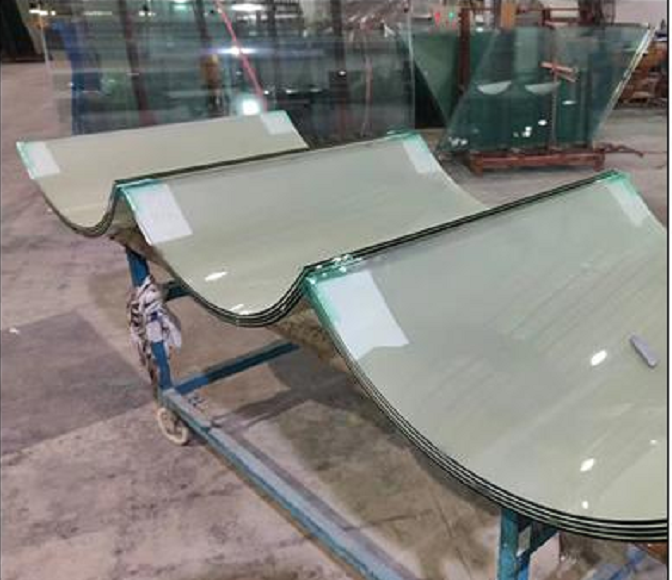
The Trick to Preheating Glass
If you’ve ever had a piece crack right as you started bending it, you know how annoying thermal gradients are. You need the heat to be just right. We use short-wave infrared because it doesn’t just sit on the surface—it sinks into the glass fast. By matching the wattage and voltage to the exact thickness of your glass, we get the material to that softening point without the long wait. One heads-up: these high-wattage setups pack a punch. Just make sure your power supply can handle that initial “kick” when you flip the switch.
Why Modules Beat Components
Think of it this way. A single lamp is just a piece of hardware. A module is an actual tool. We’ve already done the annoying stuff. The quartz tubes, the reflectors, the wiring—it’s all tucked into one unit. We handled the alignment and the shielding so you don’t have to. You just drop it into your existing rig and it works. No more guessing if your wires are going to melt or worrying about “cold spots” ruining your piece because the lamps were an inch too far apart.
Real Talk: The Shop Floor
Switching to a modular system means you actually get to spend your day making art, not playing electrician. You won’t have to worry about lamps burning out just because they were mounted slightly crooked. But keep this in mind: these things put out a lot of heat. Like, a lot. Make sure your shop has decent airflow. You don’t want your control electronics baking in a stagnant corner. Once you’ve got the ventilation sorted, it’s basically plug-and-play. Less wiring. More creating.