

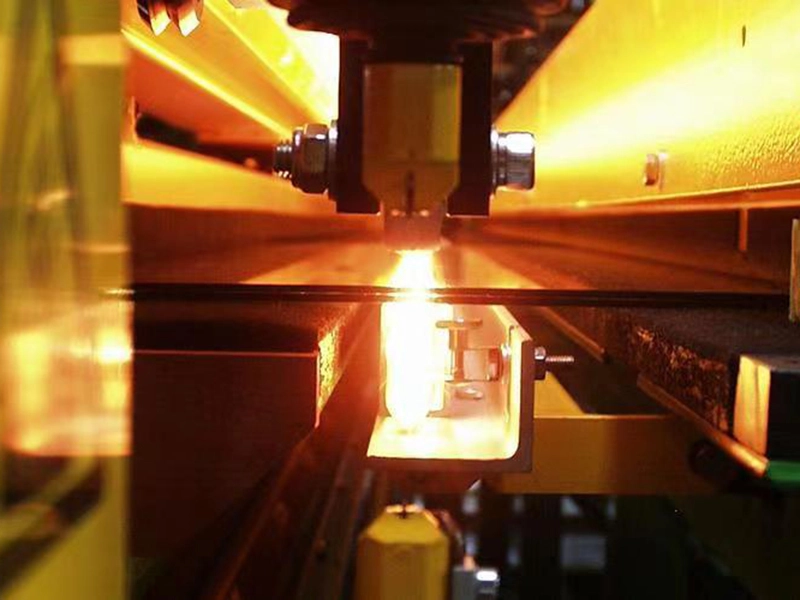
Out on the line, one hotspot during annealing can wipe out an entire payload. You know the drill—convection ovens fight air turbulence, and older heaters always seem to leave the edges cold. That waste shows up the hard way: tempered panes rejected for stress, bending batches that have to be reworked, and throughput targets that slip away. What matters, technically We built the uniform annealing setup around short-wave quartz emitters, chosen for quick response and tight spectral control. The result is a stable thermal field across the glass, with power matched to line speed and thickness. Peak power comes in fast pulses, then holds steady, so the whole sheet hits the target without chasing temperature swings. Emitters are arranged in zones, each controlled independently, so you can correct gradients at the edges and in the center. This isn’t brute heat. It’s repeatable, measurable heat. Why this works in real glass processing In tempering, bending, lamination (EVA/SGP/PVB), coating drying, insulating glass sealing, and automotive glass work, uniform temperature directly drives stress, optical distortion, and edge quality. With this system, you cut the soak time needed to even out the profile, shorten the cycle, and reduce thermal shock. The uniform field means fewer rejects from thermal stress cracks and edge warp. Energy use drops because the emitters heat the glass itself, not the surrounding air, and the fast ramp cuts idle losses. The design fits standard conveyor widths and drops in as a module, so you don’t have to rework the whole line. Here’s what to keep in mind Installation is straightforward, but alignment is critical. Set emitter distance to the glass width and emissivity, and match reflector geometry to the target profile. Expect a short commissioning window to tune zone balance and dial in the control curve for your product mix. And remember: infrared heating is line-of-sight. Any shielding, or variable tints in the glass, will shift absorption. Coated or tinted glazing means the recipe needs adjustment.