

Why Your Bathroom Heater Keeps Dying (and How We Fixed It)
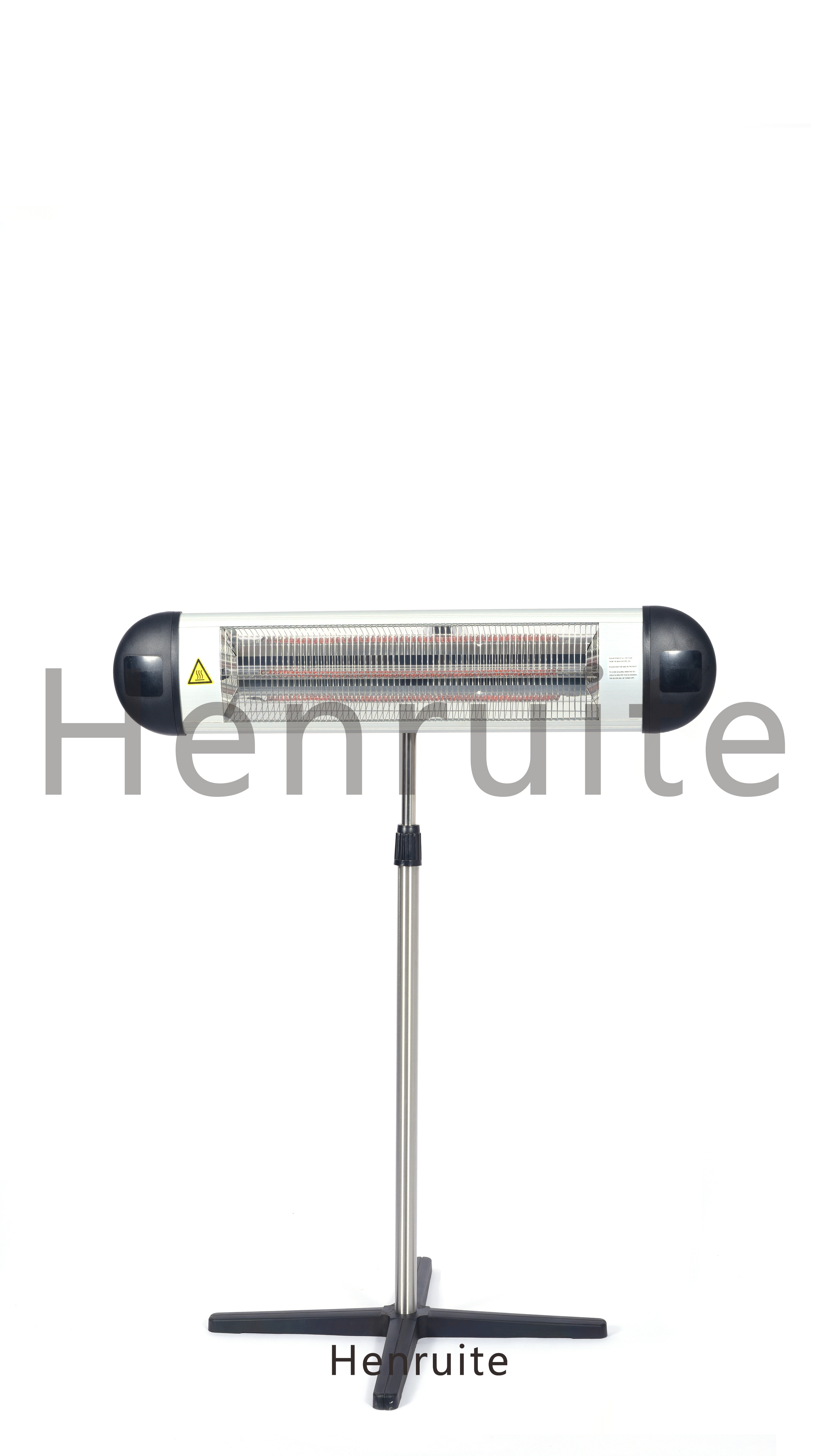
Bathrooms are a nightmare for electronics. You’ve got steaming hot showers one minute and a freezing cold room the next. When you throw an infrared wall heater into that mix, the real battle happens right where the lead wire hits the heating element. Most cheap heaters use basic glues that just can’t take the heat. After a few months of turning them on and off, that glue bakes, cracks, and gives up. Once that happens, you’re looking at insulation failure or, worse, a short circuit.
The “Invisible” Problem
Here is the thing: quartz tubes and copper wires don’t expand at the same rate when they get hot. They’re basically fighting each other. In those budget builds, the sealant gets brittle and snaps. That’s when the shower steam finds a way in. Moisture hits the junction, things start to carbonize, and—pop—your heater is dead. We do things differently. We use a multi-step process that feels more like engineering than just “assembling.” We start with a mechanical crimp, pour in high-temp silicone potting, and wrap it all in a heat-shrink barrier. It keeps the moisture out and the connection tight, even when the lamp is cranking out max heat.
Why the “Pro” Way Matters
You can’t just slap some glue on a wire and call it a day. We use glass-to-metal seals that are vacuum-baked. It means the seal won’t just pop under pressure. Plus, we use fluorine-based or silicone insulation for the wires because they can actually handle the constant heat soak. The cheap stuff? It’s usually PVC or low-grade rubber. That stuff melts or turns rock-hard within a year. And if that seal isn’t airtight, the halogen gas leaks out, and your filament burns out way faster than it should.
A Quick Tip for Installation
There is one trade-off. Because our sealing is so heavy-duty, the wire assembly is a bit stiffer. Don’t bend these wires at sharp angleswhen you’re tucking them into the wall box. If you force a tight bend, you risk cracking the seal and throwing all that high-temp protection out the window. Just give the wires a little bit of slack, and they’ll last you for years.