
The Truth About Glass Annealing (and why your lamps matter)
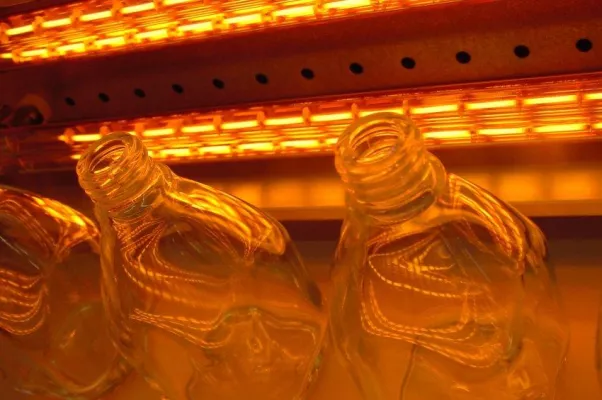
Selling a lamp is the easy part. The real headache starts when you’re trying to get glass to settle without it cracking right in your face. When you’re annealing lab glass, you aren’t just “heating things up.” You’re walking a tightrope between the working point and the strain point. If your heat density is off by even a tiny bit, you’ve just created a ticking time bomb of internal stress. One wrong move and the whole piece shatters. Let’s talk power. We don’t just pick a wattage out of a hat; we look at the actual thermal mass of your glass. A high-wattage quartz halogen lamp isn’t just about cranking up the speed. It’s about hitting that sweet spot—getting the glass to a uniform temperature fast enough that it doesn’t deform, but slow enough that you don’t trigger a thermal shock. Plus, we spend a lot of time on voltage. We match the config to your existing power rails so your filaments don’t just pop the second there’s a voltage spike. The gear that actually lasts. We use high-purity quartz envelopes. Why? Because it lets shortwave IR radiation slide right through without the lamp soaking up all the heat itself. As for the connectors, we stick with the classics like R7s or SK15. It’s not just about making them easy to plug in. These things have to survive constant expanding and contracting as they heat up and cool down. If a connection gets loose, you get arcing. And arcing kills lamps. Fast. Stop ordering from catalogs. Here’s the thing: you can’t fix a thermal gradient problem by scrolling through a website. Every oven is different. The airflow is different. The way the walls reflect heat is different. A lamp that works perfectly in a vacuum furnace will probably be a disaster in a convection oven. That’s why we prefer to actually get in there and run diagnostics in the field. One last tip: don’t get greedy with the wattage just to shave a few minutes off your cycle. If you push too hard, your cooling fans have to work overtime. If your ventilation can’t keep up with that heat load, you’ll end up baking your control electronics right along with your glass. We’re here to help you find that balance so you don’t fry your hardware.