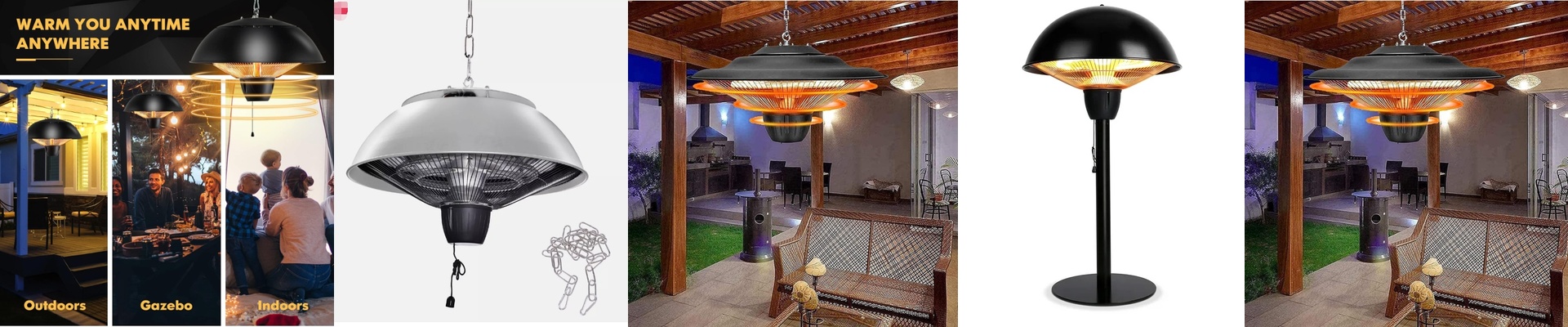
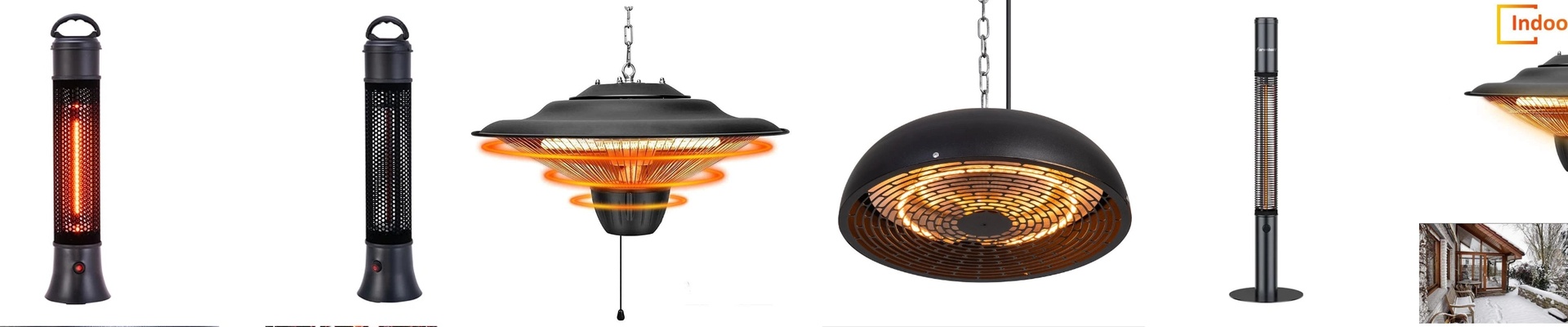
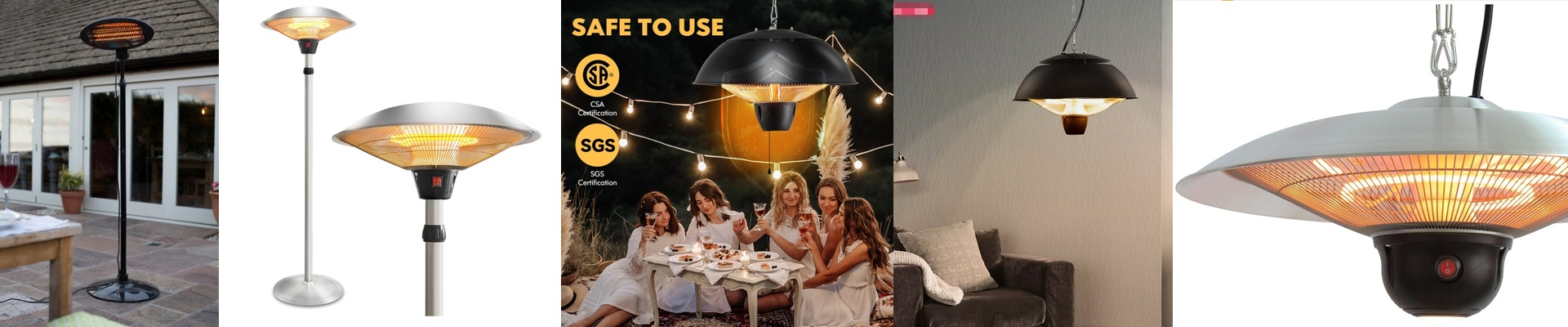
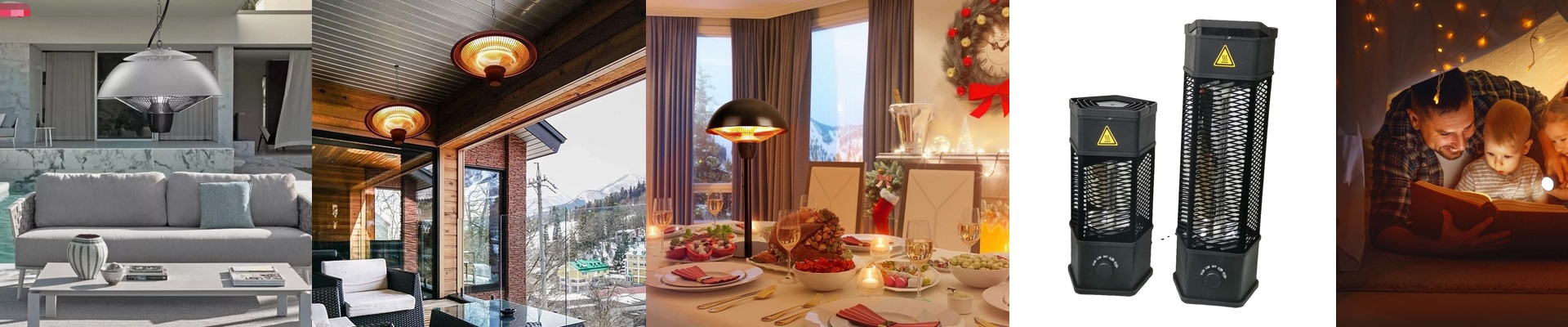

In a gallery, the climate is tightly managed, but the cold still finds a way in. A draft along a canvas, a dip in temperature near a pedestal—those small shifts can trip environmental alarms. Standard heaters stir the air, and that movement kicks up dust and microbes. The goal is warmth that’s felt, not seen, and that never puts a single piece at risk.
What matters, technically
For sensitive spaces, in-wall electric fireplaces lean on infrared radiant heat, using low-intensity quartz or carbon fiber elements. Heat goes straight to people and objects instead of warming the air first, so there’s no forced convection to disturb particulates. Most models run on 120V or 240V, draw 1.5–3 kW, and fit into standard wall cavities for a clean, recessed finish. Look for thermostats with tight differentials, low-glare elements, and sealed housings that keep the inside dry and the unit quiet.
Why this approach fits
Galleries and museums live and die on precise microclimates. Radiant heat warms visitors and nearby surfaces without pushing air around, which helps keep dust and moisture under control. When units are tucked along perimeter walls, they smooth out the cool spots created by foot traffic, and you can zone them to protect delicate cases and alcoves. Because the warmth is directional and local, you can hold steady conditions without cycling equipment that beats up HVAC ducts or invites condensation.
The practical details you can’t skip
Installation is straightforward, but it’s still electrical work. Plan for dedicated circuits, proper insulation behind the unit, and clearances exactly as the manual spells out. Make sure the model is rated for the room’s humidity, and confirm the grille surface temperature stays within safe limits near walkways. Pairing with a humidity sensor and a remote thermostat is smart, and a pro install keeps everything compliant and clean.