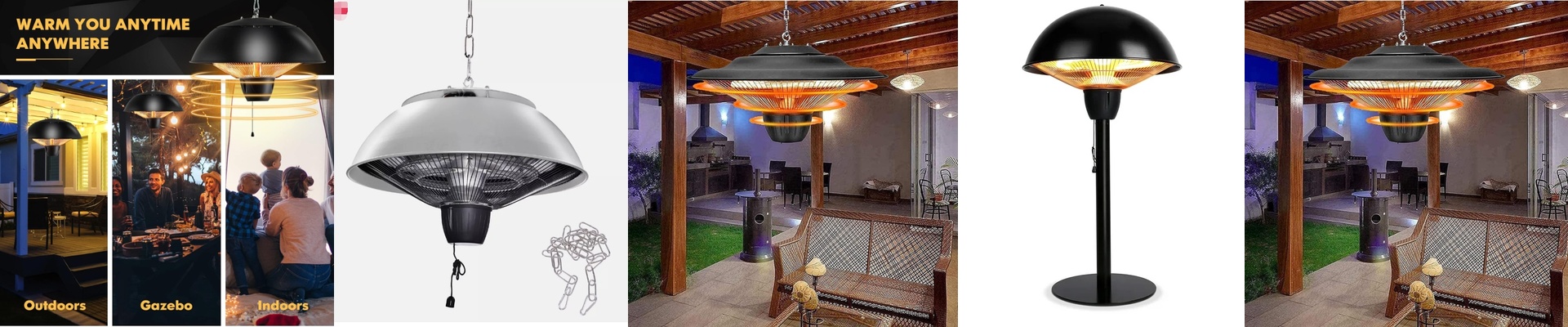
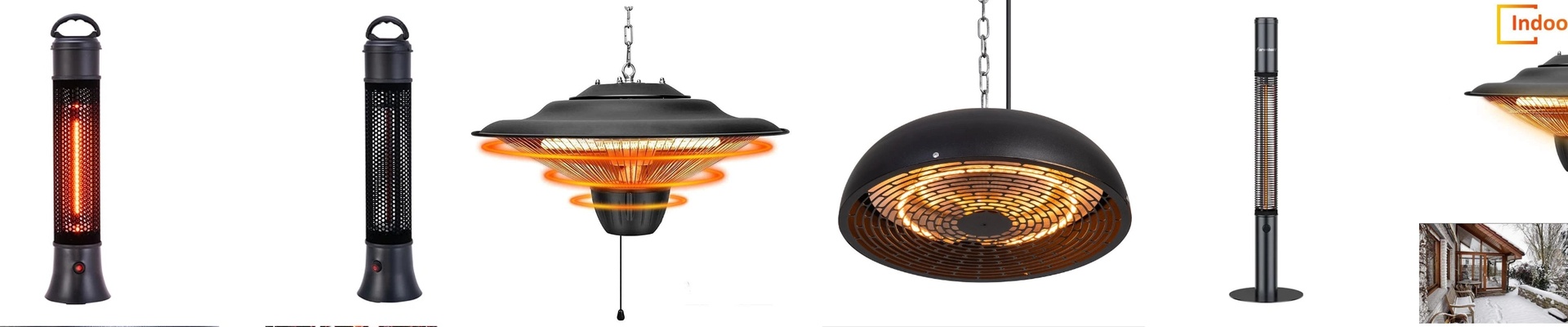
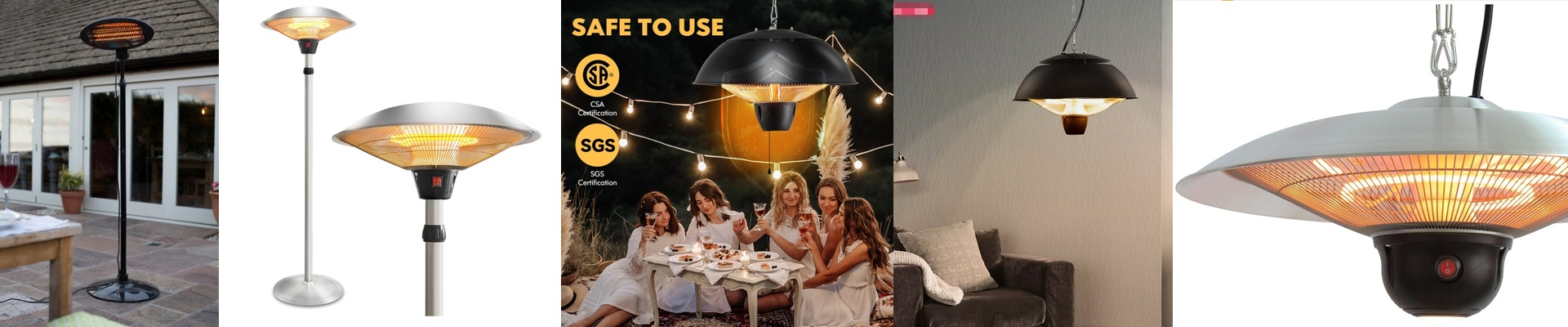
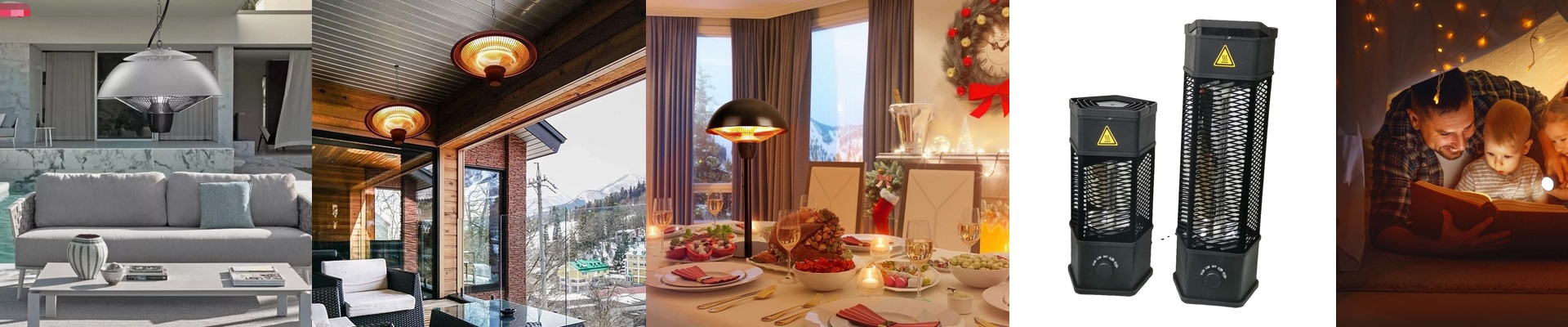
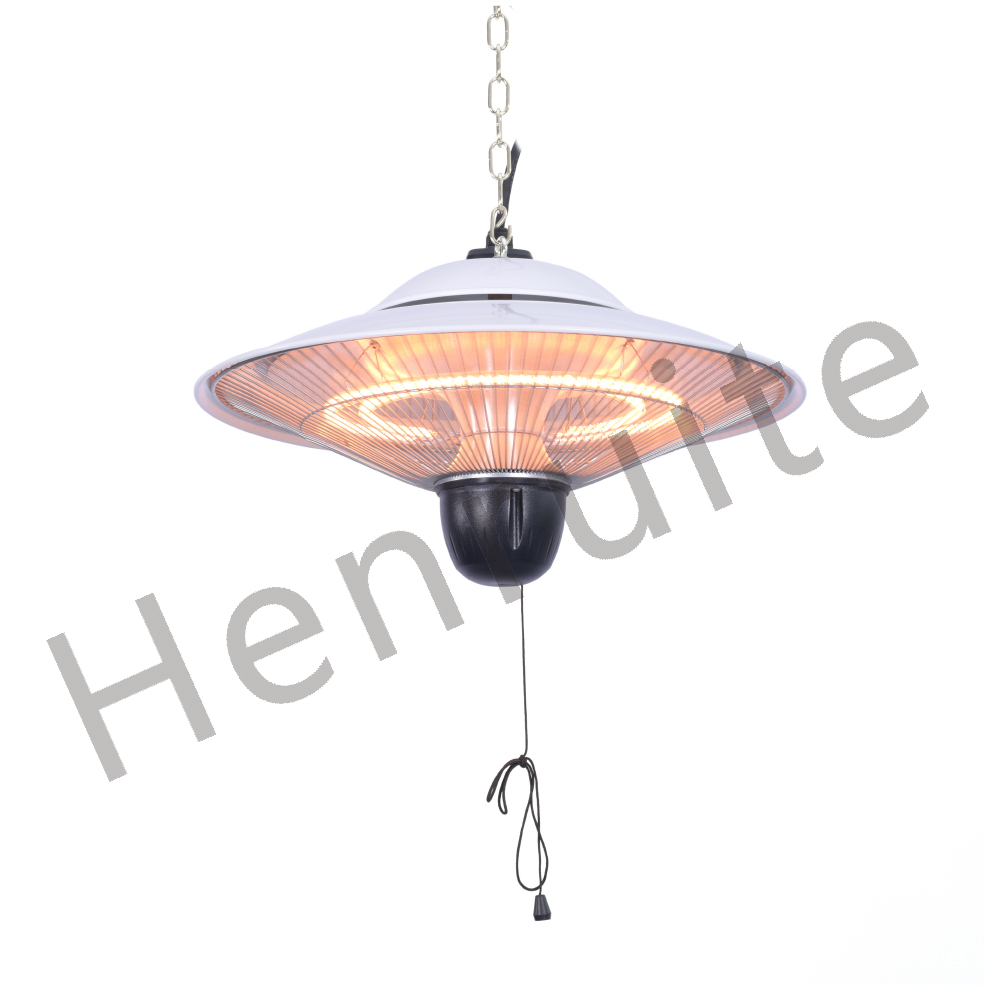
Stepping into a cold changing room after a long shift isn’t just uncomfortable—it hits you like a shock that hangs around. Conventional heaters warm the air, not you, and the wait drags. An ERP-compliant infrared heater flips that feeling fast.
What matters under the hood
We build these around short-wave infrared technology, so the heat is radiant—targeting people and surfaces directly, not the air around them. A high-output carbon fiber element comes on at full power the second you flip the switch, hitting target warmth in seconds, not minutes. It runs on standard 230 V, pulls a controlled current, and meets strict energy performance requirements. You get consistent output, low standby losses, and stable temperature control thanks to the integrated thermostat. If you’re running it outdoors or in damp spots, look for an IP rating that keeps rain and dust out.
Why this works in changing rooms
In a changing area, speed and comfort are what count. Infrared warmth hits the body first, so you feel heat almost instantly, even when the air is still cool. That means quicker turnover, fewer complaints, and a quieter, steadier feel—no noisy fans, no blasts of cold air. The space ends up feeling calm, even, and welcoming. Because the heater warms the people, not the rafters, it can feel genuinely comfortable while staying efficient.
The details that make the difference
Installation is straightforward, but placement matters. Mount the heater at a height that spreads warmth across the occupancy zone without hot spots, and keep it clear of obstructions. These units are designed for dry or sheltered outdoor use. If you’re putting them in fully exposed areas, pick a model with the appropriate IP rating and add a protective cover when the weather turns rough. Infrared heat delivers comfort fast, but it can feel less effective in spaces with high ceilings or poor insulation.Pair the heater with solid enclosure design, and you get the biggest gain.