How Infrared Heaters Actually Make You Feel the Warmth
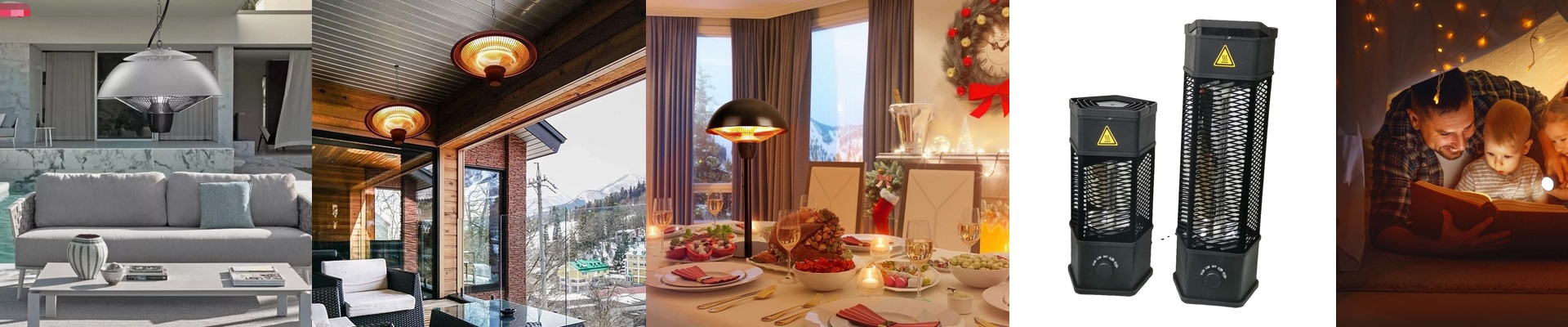
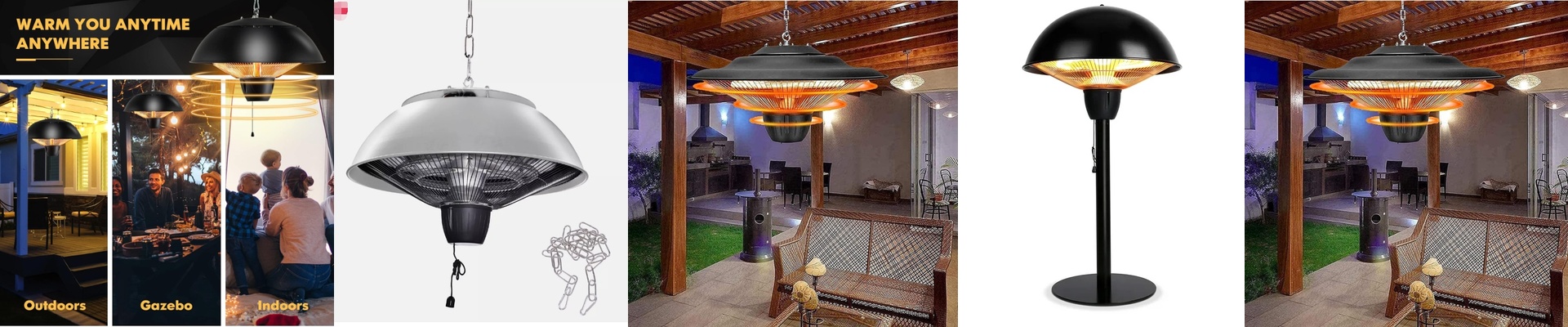
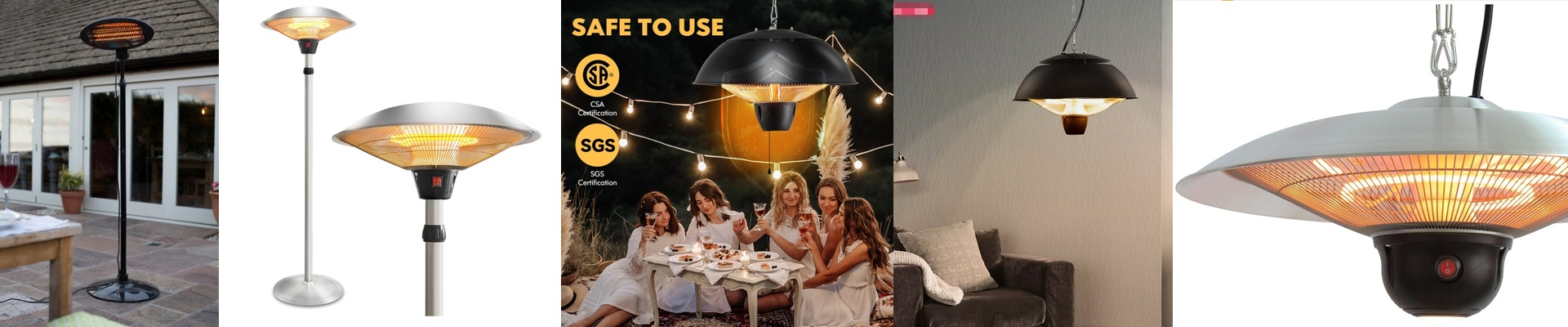
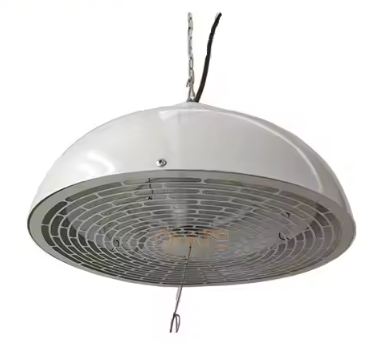
Ever stepped onto a chilly terrace and wished the heat would just land on you, not the empty air around you? That’s exactly what these heaters are built for. We leaned hard into infrared radiation, not the usual warm-air-blowing stuff. The whole point is to send warmth straight to people and surfaces. The air stays out of it. It feels natural. And honestly? It keeps your energy bills from skyrocketing. Here’s the thing about how it works: where you hang the heater decides how the warmth lands. Height controls the spread of the beam and how much heat actually hits the spot.
Power, Height, and the Warmth You Actually Feel
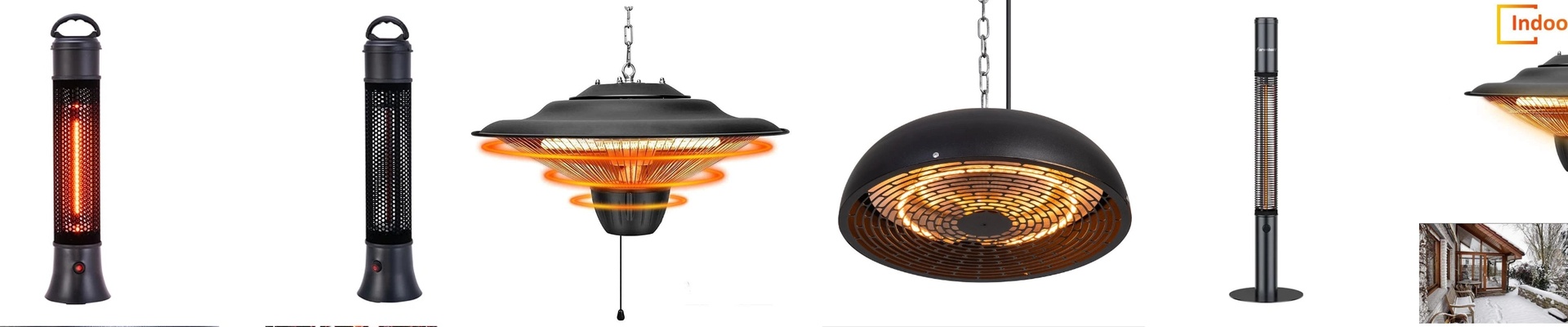
Our halogen infrared heaters run on 230V or 400V, with power from 1500W to 2500W. That power density creates a strong, focused field of heat. And the real lever you can pull? Mounting height. A solid rule of thumb is to hang the unit between 2.1 and 2.4 meters off the floor. At that height, you get a tight cone of warmth that feels like it’s landing right where you need it. Go too high, and the energy spreads out too thin. You’ll feel it in the air, but your feet stay cold. Go too low, and you get hot spots and that harsh glare no one enjoys.
The Tube That Gets Hot—Fast
Inside the heater tube, you’ll find a halogen filament tucked inside a quartz envelope. This design is why the heat comes on so quickly—full output in seconds. The tube is coated to handle sudden temperature shifts, so it keeps delivering steady warmth over time. And the electrical connection? It’s an R7s base—built for high heat, secure, and straightforward. If you ever need to swap something out, it’s a direct replacement. No hassle.
Set It Right, Feel It Every Time
For the best effect, angle the heater down at about 45 degrees. That sends the infrared beam right across your terrace seating area. There’s a simple trade-off to keep in mind: higher mounting gives you broader coverage but a softer intensity. Lower mounting gives you stronger intensity but a narrower patch. When you get the height and angle dialed in, the heat lands exactly where you want it—and the unit runs the way it was meant to.