
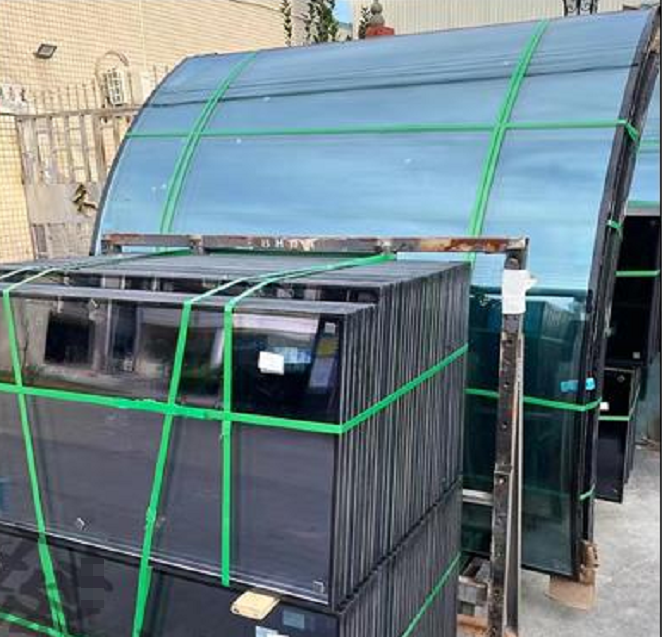
On a high-throughput glass line, heat is way more than temperature. It’s timing, uniformity, and repeatability—every shift, every batch. When the heating drifts, you don’t just see optical distortion and thermal stress cracks. You get EVA/SGP/PVB lamination voids. And you get wasted kWh and scrap that lands right on the bottom line.
What matters under the hood
We build our heating around NIR quartz modules that were born for glass: fast response, tight control, and solid electrical-to-thermal efficiency. The emitters put radiant heat straight into the glass with minimal convection, so the furnace or oven comes up fast and holds setpoint without overshoot. Control is closed-loop SCR or PID, with zoned power matched to glass width and the process profile—tempering, bending, lamination preheat, or coating drying. The payoff is a stable thermal field that cuts thermal stress, improves flatness, and keeps the line moving at speed.
Why it holds up on the floor
Here’s what that looks like when the conveyor is running. You get lower energy draw without sacrificing throughput. The fast ramp-up shortens cycle time and trims standby power. Uniform heat distribution reduces rejects from uneven sag, roll-in, and stress fractures, so finished-glass yield climbs. The modules drop right into common OEM footprints, which means minimal downtime and no expensive retrofits. Over a year, you typically see fewer kWh, fewer heating-related defects, and less maintenance labor. The system runs cooler, cleaner, and more predictable.
The details that keep it honest
These modules need proper voltage matching, clean mounting surfaces, and alignment to preserve hot-zone uniformity. They’re sensitive—dust and oil films on quartz create hot spots and shorten service life. To get the full benefit, pair the upgrade with temperature mapping and an emissivity check on your glass types, then confirm the control strategy matches your product mix. Plan it right, and the upfront attention buys you sustained savings in energy, yield, and maintenance.
고속 생산 유리 라인에서는 열이 단순한 온도 이상의 의미를 갖습니다. 그것은 타이밍, 균일성, 그리고 반복성—교대마다, 배치마다 동일하게 유지되어야 합니다. 가열 상태가 벗어나면 광학적 왜곡과 열응력 균열만 발생하는 것이 아닙니다. EVA/SGP/PVB 라미네이션 내 기포가 생기고, 에너지(kWh) 낭비와 함께 불량품이 직접적으로 생산 비용에 영향을 줍니다.
핵심 요소
당사는 유리를 위해 설계된 NIR 석영 모듈을 기반으로 가열 시스템을 구축합니다. 빠른 응답 속도, 엄격한 제어, 그리고 우수한 전기-열 변환 효율성을 특징으로 합니다. 방사체에서 발생한 복사열이 대류를 최소화하며 직접 유리로 전달되어 노 또는 오븐의 온도 상승이 빠르고 설정 값에 안정적으로 도달하며 넘어섬 현상이 없습니다.
제어 방식은 폐쇄 루프 SCR 또는 PID를 사용하며, 유리 폭과 공정 프로파일(템퍼링, 벤딩, 라미네이션 전가열, 코팅 건조 등)에 맞춰 구역별 전력을 조절합니다. 이를 통해 열응력이 감소되고 평탄도가 향상되며 공정 속도를 유지하는 안정적 열장을 형성합니다.
현장 적용 시 강점
컨베이어가 작동하는 상황에서 나타나는 특징은 다음과 같습니다. 처리량 손실 없이 에너지 소비가 줄어듭니다. 빠른 가열 상승 속도가 사이클 타임을 단축시키고 대기 전력 소모도 감소시킵니다.
균일한 열 분포는 비균등 처짐, 롤인, 열응력 균열로 인한 불량률을 줄여 완제품 유리 수율을 증가시킵니다. 해당 모듈은 일반 OEM 규격에 호환되므로 가동 중지 시간이 최소화되고 비용이 많이 드는 개조 공사가 필요 없습니다.
연 단위로 보았을 때, 에너지 소비(kWh), 가열 관련 불량, 유지보수 인력 투입량이 모두 감소하는 경향을 보입니다. 시스템은 더 낮은 온도에서 청결하게 작동하며 예측 가능한 운영이 가능합니다.
유지 관리를 위한 세부 사항
이들 모듈은 적절한 전압 매칭, 청결한 장착면, 그리고 고온 구역의 균일성을 유지하기 위한 정렬이 필요합니다. 석영 표면의 먼지나 유분층은 과열 지점 생성 및 수명 단축을 초래하므로 민감하게 관리해야 합니다.
최적 효과를 위해서는 업그레이드 시 온도 맵핑과 유리 종류별 방사율 점검을 병행하고, 제어 방식이 제품 믹스에 적합한지 확인해야 합니다. 계획을 철저히 수립하면 초기 투자에 비해 에너지, 수율, 유지보수 면에서 지속적인 절감 효과를 얻을 수 있습니다.