
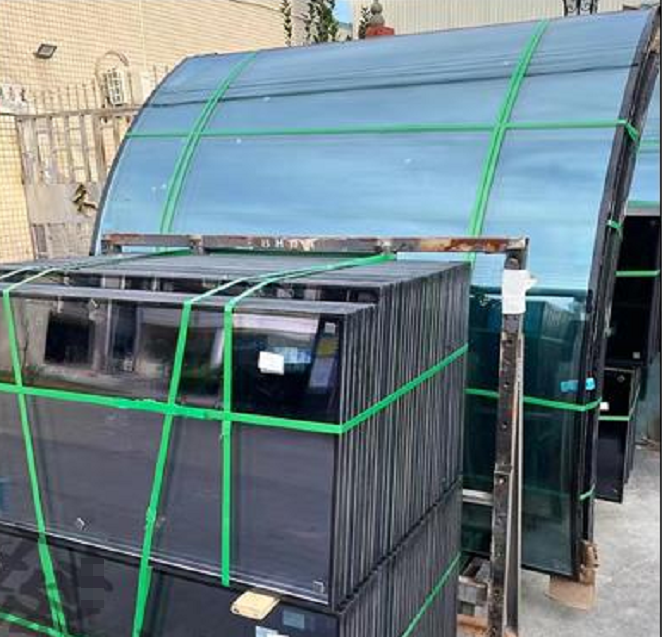
On a high-throughput glass line, heat is way more than temperature. It’s timing, uniformity, and repeatability—every shift, every batch. When the heating drifts, you don’t just see optical distortion and thermal stress cracks. You get EVA/SGP/PVB lamination voids. And you get wasted kWh and scrap that lands right on the bottom line.
What matters under the hood
We build our heating around NIR quartz modules that were born for glass: fast response, tight control, and solid electrical-to-thermal efficiency. The emitters put radiant heat straight into the glass with minimal convection, so the furnace or oven comes up fast and holds setpoint without overshoot. Control is closed-loop SCR or PID, with zoned power matched to glass width and the process profile—tempering, bending, lamination preheat, or coating drying. The payoff is a stable thermal field that cuts thermal stress, improves flatness, and keeps the line moving at speed.
Why it holds up on the floor
Here’s what that looks like when the conveyor is running. You get lower energy draw without sacrificing throughput. The fast ramp-up shortens cycle time and trims standby power. Uniform heat distribution reduces rejects from uneven sag, roll-in, and stress fractures, so finished-glass yield climbs. The modules drop right into common OEM footprints, which means minimal downtime and no expensive retrofits. Over a year, you typically see fewer kWh, fewer heating-related defects, and less maintenance labor. The system runs cooler, cleaner, and more predictable.
The details that keep it honest
These modules need proper voltage matching, clean mounting surfaces, and alignment to preserve hot-zone uniformity. They’re sensitive—dust and oil films on quartz create hot spots and shorten service life. To get the full benefit, pair the upgrade with temperature mapping and an emissivity check on your glass types, then confirm the control strategy matches your product mix. Plan it right, and the upfront attention buys you sustained savings in energy, yield, and maintenance.
خط تولید شیشه با ظرفیت بالا، حرارت صرفاً مربوط به دما نیست. زمانبندی، یکنواختی و تکرارپذیری در هر شیفت و هر دسته از تولید اهمیت دارد. وقتی گرمایش نوسان میکند، فقط تحریف نوری و ترکهای ناشی از تنش حرارتی مشاهده نمیشود؛ بلکه حفرههایی در لمینیشن EVA/SGP/PVB ایجاد میشود و مصرف kWh اضافی و ضایعاتی که مستقیماً روی سود تأثیر میگذارند، افزایش مییابد.
آنچه در پسزمینه اهمیت دارد
سیستم گرمایش را بر مبنای ماژولهای کوارتز NIR که مخصوص شیشه طراحی شدهاند، ساختهایم: پاسخ سریع، کنترل دقیق و بازده الکتریکی به حرارتی مناسب. تابندهها حرارت تابشی را مستقیماً به درون شیشه میفرستند و با حداقل انتقال همرفتی، باعث میشوند کوره یا فر در زمان کوتاه به دمای تنظیم شده برسد و بدون نوسان از آن عبور نکند. کنترل به صورت حلقه بسته SCR یا PID با توانبندی منطقهای متناسب با عرض شیشه و مشخصات فرایند—مانند تمپرینگ، خمکاری، پیشگرمایش لمینیشن یا خشککردن پوشش—انجام میشود. نتیجه میدان حرارتی پایدار است که تنش حرارتی را کاهش، صافی را بهبود و خط تولید را با سرعت حفظ میکند.
دلیل دوام سیستم در شرایط عملیاتی
این عملکرد زمانی که نوار نقاله در حال حرکت است، به این شکل است: مصرف انرژی کاهش مییابد بدون اینکه ظرفیت تولید کاهش یابد. افزایش سریع دما، زمان سیکل را کوتاه و مصرف توان در حالت آمادهبهکار را کاهش میدهد. توزیع یکنواخت حرارت، ردهای ناشی از خوردگی ناهمگون، ورود رول و ترکهای تنشی را کاهش میدهد و در نتیجه بازده شیشه تمامشده افزایش مییابد. ماژولها مستقیماً در قالبهای رایج OEM جای میگیرند که به معنای حداقل توقف خط و عدم نیاز به نصب مجدد پرهزینه است. در طول یک سال، بهطور معمول مصرف kWh کمتر، نقصهای مرتبط با گرمایش کمتر و نیروی کار نگهداری کمتر مشاهده میشود. سیستم با دمای پایینتر، تمیزتر و قابل پیشبینیتر کار میکند.
جزئیاتی که صداقت سیستم را حفظ میکنند
این ماژولها نیازمند تطبیق ولتاژ صحیح، سطوح نصب تمیز و تنظیم دقیق برای حفظ یکنواختی منطقه داغ هستند. حساسیت بالایی دارند—ذرات گرد و غبار و لایههای روغنی روی کوارتز موجب نقاط داغ و کاهش عمر خدمت میشوند. برای بهرهبرداری کامل، بهروزرسانی را با نگاشت دما و بررسی ضریب تابش (emissivity) انواع شیشه همراه کنید و سپس اطمینان حاصل کنید که استراتژی کنترل متناسب با ترکیب محصولات شما است. برنامهریزی دقیق در ابتدا منجر به صرفهجویی پایدار در مصرف انرژی، بازده و نگهداری خواهد شد.